
Silver symbolizes purity, spiritual protection, and divine favor, holding deep cultural and mythological meaning. It’s often associated with the moon, femininity, and sacredness, reflecting clarity and enlightenment. In traditions, silver is used in rituals, jewelry, and ceremonies to represent stability, honesty, and spiritual insight. Its luminous quality connects you to higher ideals and serves as a conduit for divine energy. If you want to explore how silver shapes different cultures and beliefs, you’ll find more fascinating details here.
Key Takeaways
- Symbolizes purity, clarity, and spiritual protection in various cultural and mythological contexts.
- Represents the moon, femininity, and divine energy, often linked to myths and sacred rituals.
- Used in ceremonies and jewelry to signify stability, enduring love, and spiritual insight.
- Denotes wealth, prestige, and divine favor due to its rarity and luminous appearance.
- Reflects enlightenment, truth, and spiritual awakening through its reflective and luminous qualities.
Silver has long held a special place in human culture, symbolizing purity, clarity, and value. Throughout history, it’s been more than just a precious metal; it’s woven into myths and traditions that reflect its deep cultural significance. When you think about silver in mythology, you’ll find stories where it’s associated with the moon, femininity, and spiritual protection. Many ancient civilizations believed silver possessed mystical qualities that could ward off evil spirits or bring good fortune. In Greek mythology, silver was linked to Artemis, the goddess of the moon and hunting, embodying her qualities of purity and intuition. Similarly, in Roman tradition, silver was thought to have divine properties that connected it to the divine sphere, reinforcing its role as a symbol of sacredness and protection.
The cultural significance of silver stretches beyond myth, influencing rituals and customs in various societies. You might notice its importance in wedding traditions, where silver symbolizes purity, clarity of purpose, and the enduring authenticity of love. For example, in many cultures, silver wedding anniversary celebrations mark 25 years of marriage, emphasizing stability and ongoing commitment. In Native American tribes, silver jewelry isn’t just decorative; it carries spiritual meaning, representing the moon’s energy and the connection between the physical and spiritual worlds. Silver’s reflective quality is often associated with introspection and enlightenment, which is why it’s used in ceremonial objects and talismans. Its bright, luminous nature lends itself to representing truth and clarity, making it a favored material for amulets and charms meant to protect and bring insight.
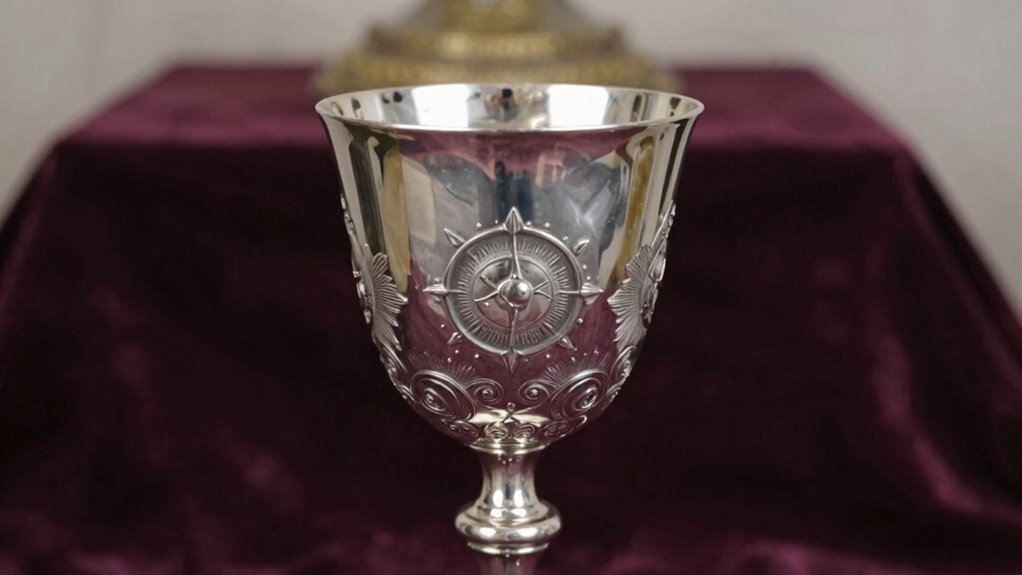
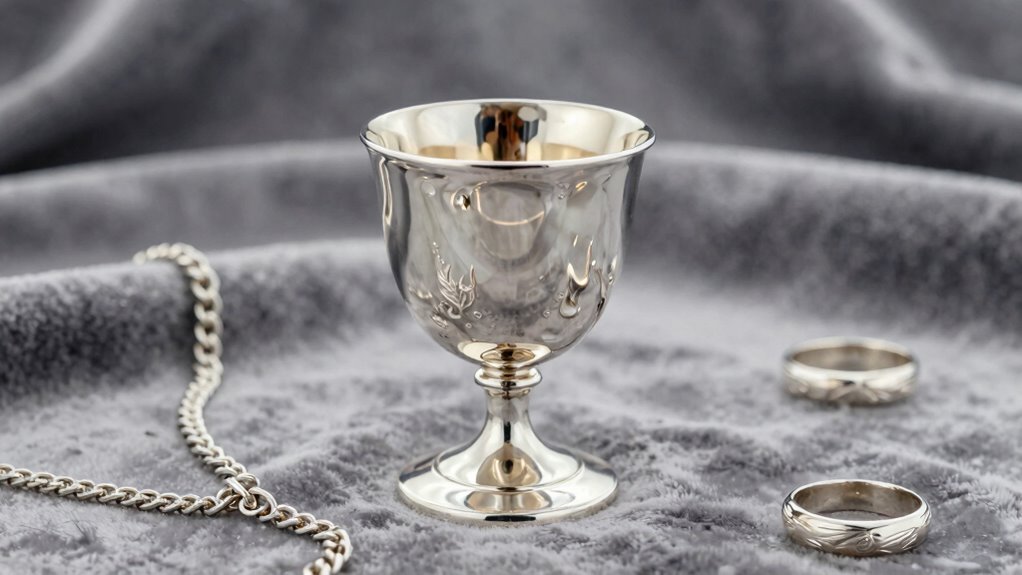
In addition, silver’s role in cultural practices is often tied to notions of wealth and social status. Its shine and rarity elevate it above common metals, symbolizing prestige and divine favor. You’ll see this in the use of silver in religious artifacts, such as chalices and crosses, where its shimmering appearance underscores the sacredness of the objects. Silver’s ability to reflect light also symbolizes enlightenment and spiritual awakening, reinforcing its role as a conduit for divine energy. Because of its historical and mythological associations, silver continues to carry powerful symbolic meanings—connotations of purity, protection, and spiritual insight—that resonate across cultures and traditions. Whether in myth, ritual, or jewelry, silver remains a timeless emblem of clarity and sacredness, reminding you of the enduring human desire to connect with higher ideals through this luminous metal.
silver spiritual protection jewelry
As an affiliate, we earn on qualifying purchases.
As an affiliate, we earn on qualifying purchases.
Frequently Asked Questions
How Is Silver Used in Modern Spiritual Practices?
In modern spiritual practices, you often use silver for healing and spiritual cleansing. You might wear silver jewelry or carry silver objects to promote balance and protection. Silver is believed to amplify your intentions, clear negative energy, and enhance your intuition. As a symbol of purity and clarity, silver helps you connect with your higher self, making it a popular tool for meditation, energy work, and spiritual rituals.
What Are the Cultural Variations in Silver Symbolism Worldwide?
Imagine holding a silver coin from ancient China; it’s more than currency—it’s a symbol of prosperity in cultural rituals. Across the world, silver’s symbolism varies: in Native American traditions, it signifies clarity and healing, while in Scandinavian culture, it’s linked to protection and wealth. Its historical significance as a precious metal influences these diverse meanings, reflecting each society’s values and beliefs about purity, protection, and prosperity.
Are There Specific Myths Associated With Silver and Protection?
You’ll find that myths often associate silver with protective qualities, especially through mythical guardians and protective talismans. In many stories, silver is believed to ward off evil spirits and harmful entities, acting as a powerful shield. These myths emphasize silver’s role as a safeguard, making it a popular material for amulets and charms meant to keep you safe from harm and negative influences.
How Does Silver’s Symbolism Compare to Gold’s in Traditions?
Silver’s symbolism centers on lunar qualities, intuition, and reflection, contrasting with gold’s associations with wealth and the sun. In your heritage, silver embodies purity and protection, linked to lunar symbolism and feminine energy. While gold signifies prosperity and power, silver emphasizes inner wisdom and spiritual connection. You might see silver as a symbol of calm, clarity, and emotional depth, highlighting its unique place in tradition compared to the more materialistic symbolism of gold.
What Are the Health Benefits Linked to Silver in Alternative Medicine?
Did you know silver has been used medicinally for thousands of years? Its antimicrobial benefits are well-documented, helping reduce bacteria and infections. In alternative medicine, silver is linked to healing properties, promoting skin health and wound care. Many believe it supports immune health and fights off harmful microbes. If you explore silver’s medicinal properties, you’ll find it offers natural antimicrobial benefits that can complement your health routines, especially for skin and wound treatments.
Conclusion
Think of silver as a mirror reflecting your inner qualities—its cool glow symbolizing clarity, intuition, and purity. Just like a silver locket passed down through generations holds family stories, silver connects you to tradition and wisdom. When you wear or give silver, you’re sharing a timeless bond, much like a lighthouse guiding ships safely home. Its symbolism reminds you to stay true to your inner light, shining brightly through life’s many seasons.