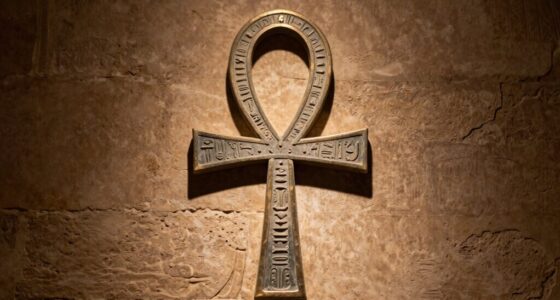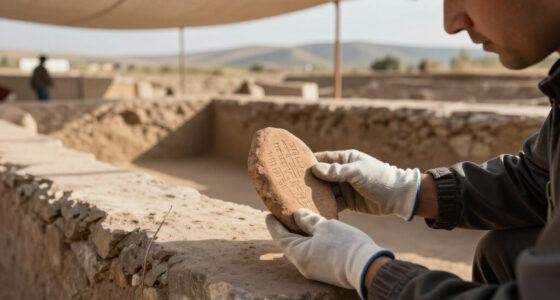
You see skulls as symbols of mortality and memory because they represent life’s fragility and remind us of death’s inevitability. Across cultures, skulls honor loved ones, serve as guardians, or symbolize transformation. Artists use them to confront mortality or express rebellion. Their enduring significance helps societies process loss and reflect on life’s value. Want to understand how these symbols evolved and what they mean in different traditions? Keep exploring to uncover more.

Prime made for students and young adults
- Fast, free delivery for dorm and study essentials
- Prime Video and Amazon Music included
- Member-only deals
Key Takeaways
- Skulls symbolize mortality, serving as visual reminders of life’s transient nature across cultures.
- They are used in art to confront viewers with death and promote reflection on life’s value.
- Skulls represent remembrance and honoring ancestors, especially in traditions like Día de los Muertos.
- Their imagery embodies protection, respect, and transformation beyond just death.
- Societal perceptions of skulls evolve, reflecting changing attitudes towards mortality and cultural memory.
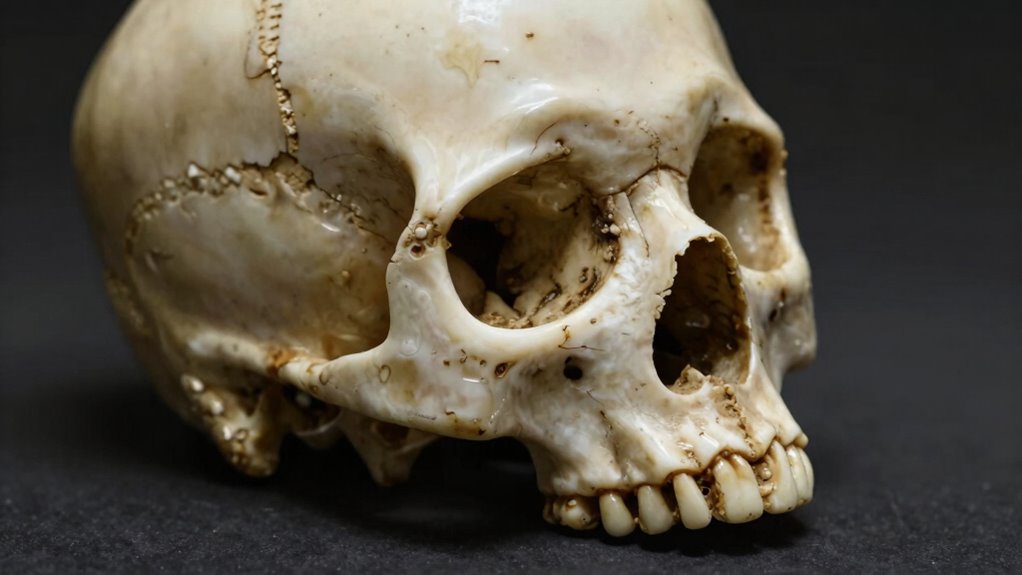
Throughout history, skulls have served as powerful symbols of mortality and remembrance, reminding us of life’s fleeting nature. Their significance extends across cultures and artistic expressions, reflecting deep-seated beliefs about life, death, and what lies beyond. When you explore various cultural interpretations, you’ll find that skulls symbolize more than just death—they embody respect, protection, or even transformation. In some traditions, skulls are seen as guardians, warding off evil spirits or honoring ancestors. For example, in Mexican culture, decorated skulls called calaveras are used during Día de los Muertos to celebrate loved ones, turning death into a vibrant act of remembrance. Conversely, in Western societies, skull imagery often carries a more somber tone, emphasizing mortality’s inevitability and prompting reflection on the transient nature of existence. Artistic representations of skulls have played a crucial role in shaping their symbolic meanings. Artists have long used skulls to confront viewers with mortality, creating powerful visual statements. During the Renaissance, memento mori artworks incorporated skulls to remind viewers that death is an unavoidable part of life, encouraging them to live virtuously. In modern times, skull imagery has taken on new dimensions, often associated with rebellion, counterculture, or even fashion. You might see skull motifs in tattoos, jewelry, or street art, where they serve as expressions of identity or defiance. Despite the differing contexts, the underlying message remains clear: skulls force us to confront mortality, making us reflect on our mortality and what we value most. Recognizing the symbolic significance of skulls helps us understand their enduring presence in various cultural and artistic expressions. Additionally, understanding the cultural interpretations of skulls reveals how perceptions of death can vary widely across societies and eras, influenced by historical contexts and societal values. The perception of mortality associated with skulls continues to evolve as societies change and new artistic interpretations emerge. Exploring these cultural symbols offers insight into how societies process and memorialize death across different eras.
As an affiliate, we earn on qualifying purchases.
Frequently Asked Questions
How Have Skull Symbols Evolved Across Different Cultures?
You see, skull symbols have evolved across cultures, reflecting diverse meanings. In Western traditions, they serve as Memento Mori, reminding you of mortality, while in Mexican culture, they symbolize remembrance during Día de los Muertos. Indigenous groups use skulls to honor ancestors, and some societies see them as protective talismans. Their cultural significance shifts, yet they universally remind you of life’s fleeting nature and the importance of memory.
Are Skull Symbols Used in Modern Art or Fashion?
Yes, skull symbols are widely used in modern art and fashion. You might see them making bold fashion statements on clothing, jewelry, or accessories, often symbolizing rebellion or edgy style. Artists incorporate skulls into their creative expressions to evoke themes of mortality, life, and transformation. They’ve become versatile symbols that add a powerful, sometimes provocative, element to contemporary designs and artistic works.
What Psychological Reasons Make Skull Imagery Appealing?
Skull imagery appeals to you because it symbolizes mortality perception, reminding you of life’s fragility, and fear symbolism, tapping into your primal instincts. It creates a stark contrast between life and death, evoking a sense of awareness and acceptance. You may find comfort in confronting mortality directly, or fascination in the raw honesty skulls represent. This duality draws you in, making skulls powerful symbols of both mortality and memory.
Do Skull Symbols Influence Cultural Attitudes Toward Death?
Skull symbols influence cultural attitudes toward death by challenging taboos and prompting reflection on mortality. Their spiritual symbolism reminds you of life’s fleeting nature, encouraging acceptance rather than fear. By confronting taboo symbolism, societies foster open conversations about mortality, helping you appreciate life’s impermanence. Skulls serve as powerful visual cues, shaping perceptions and promoting a deeper understanding of death’s role in human experience.
How Are Skull Symbols Perceived in Contemporary Society?
Skull symbols in contemporary society act like mirrors reflecting our morbid curiosity and acceptance of mortality. You see them as powerful aesthetic symbols, blending themes of life and death into fashion, art, and pop culture. Their perception has shifted from warnings to expressions of rebellion or identity. While some view them as morbid, others embrace them as symbols of resilience and the enduring cycle of life.
Conclusion
You might find it fascinating that skulls have appeared in over 80% of cultures worldwide as symbols of mortality and remembrance. This widespread use reminds us of life’s fragility and the importance of honoring those we’ve lost. By understanding their significance, you can embrace a deeper appreciation for mortality, encouraging you to live consciously and cherish every moment. Remember, these symbols connect us across time, reminding us that death is a universal part of the human experience.
Fall Picks
fall essentials
As an affiliate, we earn on qualifying purchases.