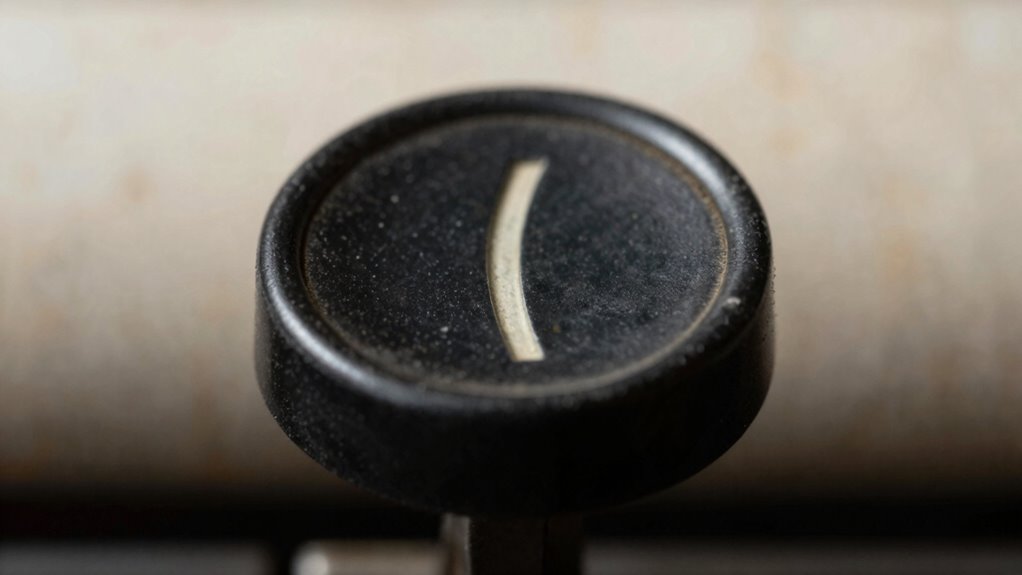

Parentheses subtly influence tone, thought, and style by adding emotional layers, such as humor, empathy, or nuance, which softens or clarifies your message. They break sentence rhythm, allowing for quick asides or clarifications that make your writing more engaging and varied. Think of them as tools to control pacing, emphasize key ideas, or convey hesitation and sarcasm. Continuing will reveal even more ways parentheses shape your voice, making your writing richer and more expressive.

Prime made for students and young adults
- Fast, free delivery for dorm and study essentials
- Prime Video and Amazon Music included
- Member-only deals
Key Takeaways
- Parentheses add emotional nuance, softening statements or conveying intimacy and subtlety in tone.
- They introduce stylistic variation, breaking rhythm for emphasis, irony, or quick asides.
- Parentheses provide supplementary information, balancing clarity with additional details.
- They guide tone and style by highlighting important concepts or signaling hesitation or sarcasm.
- Overall, parentheses serve as strategic tools to deepen emotional expression and enhance engagement.
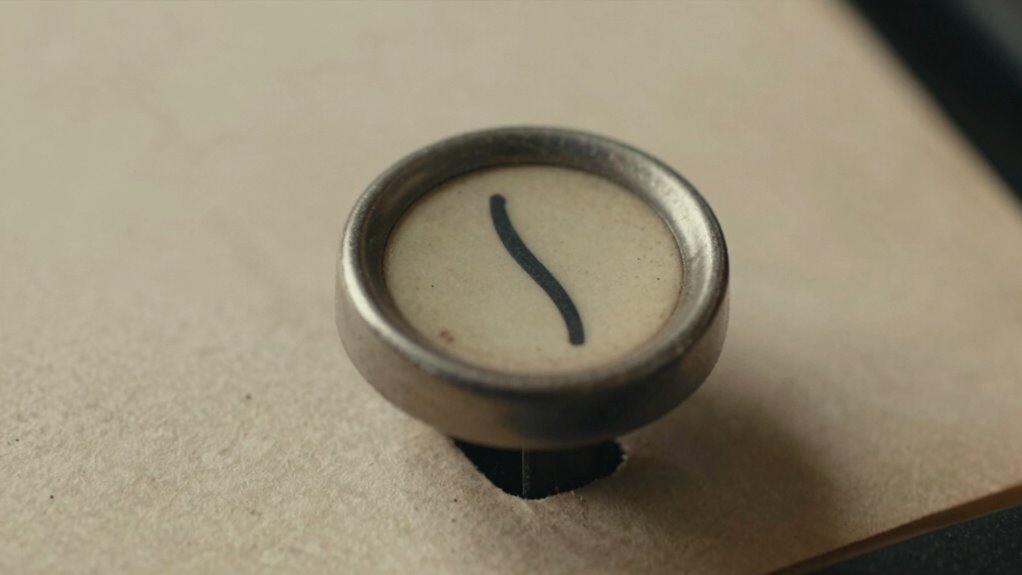
Parentheses are small yet powerful punctuation marks that can subtly influence the tone, thought, and style of your writing. When you use them intentionally, you add layers of emotional nuance and stylistic variation that shape how your message is received. They’re not just about enclosing extra information; they serve as tools to guide your reader’s understanding and emotional response. For instance, inserting a parenthetical remark can soften a statement, making it feel more conversational or personal. Instead of sounding blunt or direct, you create a sense of intimacy or humor, depending on the context. This emotional nuance can turn a straightforward sentence into something more nuanced and engaging.
Stylistic variation is another key aspect of parentheses. They allow you to break the rhythm of your sentences, providing visual and tonal contrast. You might use them to insert a quick aside, an ironic comment, or a clarifying detail, all of which add variety and keep your writing dynamic. This variation prevents your prose from becoming monotonous, giving your style a distinctive edge. By consciously choosing when to include parentheses, you control the pacing and emphasis, highlighting important details or shading your tone. For example, a parenthesis can subtly indicate hesitation or sarcasm, adding subtlety that would be harder to convey through plain text alone. Additionally, backyard transformation essentials can be highlighted within parentheses to emphasize the importance of outdoor design elements.
Using parentheses also influences the way your thoughts flow. They act as a bridge to add supplementary information without interrupting the main idea. When you insert a parenthesis, you signal to your reader that what’s inside is important but not essential to the core message. This nuanced approach helps you balance clarity with complexity, making your writing more sophisticated. It shows you’re aware of how details and emotional undertones can be layered into your sentences, giving your audience a richer experience. Recognizing the strategic use of punctuation can elevate your writing by adding depth and subtlety to your communication. Moreover, understanding how contrast ratio impacts image quality can help you craft more precise and engaging descriptions in your writing.
Ultimately, parentheses are more than just punctuation—they’re strategic tools that enhance the emotional nuance and stylistic variation of your writing. They let you subtly shape tone, add personality, and control rhythm. When used thoughtfully, they turn simple sentences into layered, expressive statements. So, next time you’re crafting a sentence, consider how a well-placed parenthesis can deepen your message, making your writing more vivid, engaging, and nuanced.
As an affiliate, we earn on qualifying purchases.
Frequently Asked Questions
How Do Parentheses Influence the Perceived Formality of a Text?
Parentheses tend to make a text feel more informal because they suggest a casual, conversational tone. They create visual emphasis on a side note or aside, which can make your writing seem less formal and more approachable. When you use parentheses, you signal that the information is supplementary or less critical, helping to maintain a relaxed and friendly style rather than a strict, formal one.
Can Parentheses Be Used to Indicate Sarcasm or Irony?
You can use parentheses to hint at sarcasm or irony, but it’s not foolproof—only about 30% of readers pick up on it clearly. Parentheses act as a subtle sarcasm indication or irony expression, signaling that the message inside might not be entirely serious. When you want to convey irony, parentheses can add a layer of nuance, but relying solely on them might cause confusion. Use them carefully to make your tone clearer.
Are There Cultural Differences in the Use of Parentheses?
Yes, there are cultural differences in how you use parentheses, influenced by cultural nuances and linguistic variations. In some cultures, parentheses might emphasize humor or irony more subtly, while others use them to clarify or add context. For example, Western cultures often use parentheses casually in digital communication, whereas in East Asian cultures, they might be less common or serve different stylistic purposes. Understanding these variations helps you communicate more effectively across cultures.
How Do Parentheses Affect Readability in Complex Sentences?
Parentheses can enhance readability in complex sentences by providing visual clarity, helping you quickly distinguish supplementary information from the main idea. They break up lengthy phrases, making the text less overwhelming and easier to follow. This improves reader engagement by guiding your eye smoothly through the content. However, overusing parentheses might clutter your writing, so use them judiciously to maintain clarity without sacrificing flow.
What Are Common Mistakes When Using Parentheses in Writing?
You might stumble into common mistakes like overusing parentheses, turning your clarity into a maze, or placing too much emphasis where it doesn’t belong. Think of parentheses as a delicate spice—too much, and your message becomes muddled; too little, and essential nuances are lost. Misplacing them can hide your main point or confuse your readers, so use parentheses thoughtfully to enhance clarity and emphasize your ideas without overpowering the sentence.
Conclusion
Understanding parentheses enriches your writing by revealing tone, thought, and style nuances. They can clarify, add humor, or create emphasis, shaping how your message is received. Did you know that over 70% of writers admit to using parentheses more than they should? Next time you craft your message, consider how parentheses can subtly influence your tone and style, helping you connect more effectively with your audience. Mastering their use makes your writing clearer and more engaging.
Fall Picks
fall essentials
As an affiliate, we earn on qualifying purchases.