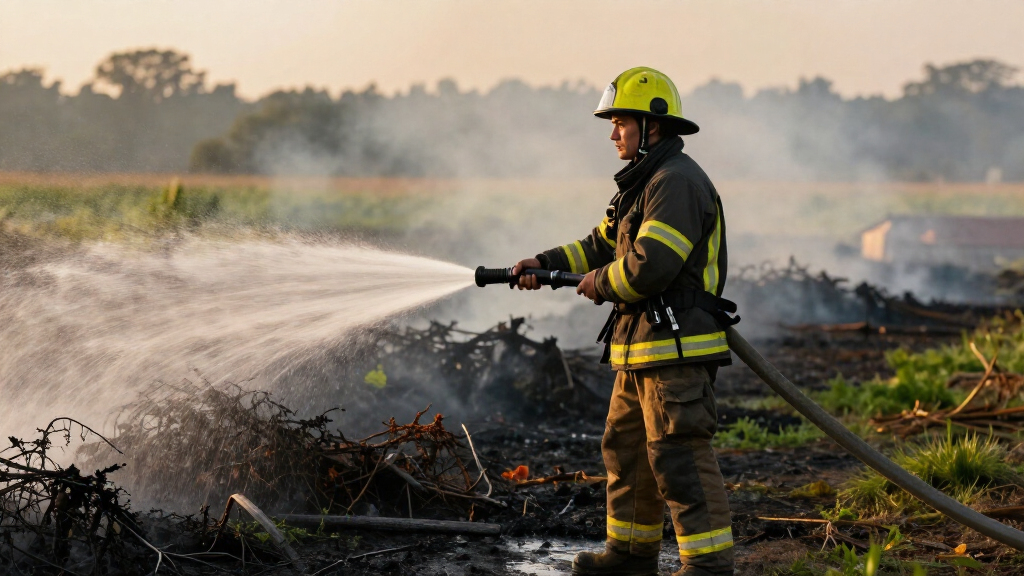

TL;DR
Rain has effectively halted the spread of the Austin fire, which remains at approximately 12,600 acres. Fire crews are now patrolling containment lines. The fire’s cause has been ruled human-related.
Heavy rainfall has significantly slowed the Austin fire, which has burned nearly 12,600 acres. Firefighters are now focused on patrolling containment lines, while authorities have officially ruled the fire as human-caused.
The Austin fire, which has been burning for several days, reached an estimated size of approximately 12,600 acres before rain began to fall across the region. This rainfall has effectively halted the fire’s spread, allowing crews to shift from active suppression to patrol and monitoring efforts. According to local fire officials, no new growth has been reported since the rain started, and containment lines are holding.
Firefighters and emergency services personnel are now patrolling the established containment lines to ensure the fire remains contained and to identify any hotspots that may reignite. The cause of the fire has been officially classified as human-related, with authorities stating it was not caused by natural factors such as lightning. The investigation into the specific human activity responsible is ongoing, but no suspects or sources have been publicly identified yet.
Authorities emphasize that while the rain has provided relief and slowed the fire, the threat of flare-ups remains, especially if weather conditions change. The fire department continues to monitor weather forecasts closely, and additional resources remain on standby should conditions worsen or if new ignitions occur.
Why Rainfall Is a Critical Turning Point in Fire Suppression
The halt in fire spread due to rainfall marks a significant development in the ongoing effort to contain the Austin fire. It provides firefighters with a crucial window to reinforce containment lines, assess hotspots, and prevent further expansion. The classification of the fire as human-caused underscores the importance of investigating human activities that could have led to the ignition, which has implications for public safety and legal accountability. Moreover, the containment achieved during this pause could reduce the overall scope of firefighting efforts and resource allocation in the coming weeks.
This development also highlights how weather conditions can dramatically influence wildfire dynamics. Rainfall can act as a natural suppressant, but it does not eliminate the risk entirely, especially if dry conditions return. For local residents and communities, the pause offers some relief but also underscores the need for continued vigilance and preparedness.
As an affiliate, we earn on qualifying purchases.
Background and Timeline of the Austin Fire
The Austin fire ignited several days ago, rapidly spreading across thousands of acres due to dry conditions and high winds. Fire officials initially struggled to contain the blaze, which prompted evacuations in nearby communities and mobilized multiple firefighting agencies. The fire’s size grew quickly, reaching nearly 12,600 acres, making it one of the larger fires in the region this season.
Prior to the recent rainfall, firefighting efforts focused on establishing containment lines and protecting critical infrastructure and residential areas. The fire’s suspected human origin has been under investigation since the fire’s initial ignition, with authorities emphasizing that no natural causes such as lightning have been identified. The region experienced a brief period of high fire danger, but the recent rain has changed the firefighting landscape significantly.
Over the past few days, firefighting resources have been concentrated on controlling the fire’s perimeter, with aerial and ground crews working to prevent further spread. The fire department and state agencies have coordinated efforts to monitor weather conditions and adapt strategies accordingly.
Remaining Risks and Weather Uncertainties
It is not yet clear how long the rain will persist or whether dry conditions will return soon, potentially reigniting the fire. The exact source of the human cause remains under investigation, with no suspects publicly identified. Additionally, the full extent of hotspots and potential flare-ups in areas with difficult access is still being assessed.
Next Steps in Fire Containment and Investigation
Firefighters will continue patrolling containment lines, monitoring hotspots, and assessing the fire perimeter for any signs of re-ignition. Authorities plan to review weather forecasts daily to anticipate changes that could affect containment efforts. The investigation into the fire’s human cause will proceed, with officials likely to release updates as more information becomes available.
Emergency services remain prepared for potential flare-ups if dry conditions return or if weather patterns shift, and additional resources may be deployed if necessary. Community alerts and safety advisories are expected to continue as authorities monitor the situation closely.
Key Questions
How much has the fire burned so far?
The fire has burned approximately 12,600 acres.
What caused the fire?
The fire has been officially ruled as human-caused. The specific source is still under investigation.
Is the fire contained now?
The fire’s spread has been halted due to rain, and containment lines are holding. Firefighters are patrolling the perimeter to prevent flare-ups.
When will the fire be fully contained?
It is currently unclear when full containment will be achieved. Continued monitoring and favorable weather conditions are needed.
Should residents be worried about re-ignition?
Yes, there remains a risk of flare-ups if dry conditions return. Authorities advise continued vigilance and adherence to safety advisories.
Source: local