Arrow motifs in design symbolize direction and determination, guiding viewers toward a sense of movement, purpose, and progress. They draw on centuries of cultural significance, from ancient tools of survival to symbols of victory and focus. Incorporating arrows can evoke confidence, goal orientation, and strength in your work. If you want to explore how these powerful symbols have shaped visual storytelling across cultures and eras, there’s more to discover ahead.
Key Takeaways
- Arrow motifs symbolize movement, focus, and progress, guiding viewers’ attention and emphasizing direction in design.
- Historically, arrows represent protection, strength, and victory, adding symbolic depth to visual compositions.
- In modern design, arrows evoke determination and goal orientation, inspiring confidence and purposeful action.
- Incorporating arrow symbols can create dynamic visuals that communicate clarity, purpose, and forward momentum.
- The enduring significance of arrows connects ancient symbolism with contemporary themes of progress and ambition.

Arrow motifs are powerful symbols that appear across cultures and eras, often representing direction, movement, and purpose. When you see an arrow in art or design, you’re witnessing more than just a simple graphic—you’re observing a symbol loaded with meaning. The symbolism in art surrounding arrow motifs can convey a sense of progress, focus, or even conflict, depending on how they’re presented. Historically, the origins of arrow symbolism stretch back thousands of years, rooted in both practical use and mythological significance. Early humans relied on arrows for hunting and survival, making them natural symbols of protection, strength, and precision. As civilizations developed, arrows took on more complex meanings, often representing divine guidance or warfare. Ancient Egyptian and Mesopotamian cultures, for example, used arrow imagery in their art and inscriptions to symbolize divine intervention or victory in battle. The historical origins of arrow motifs reveal their dual role as tools of survival and symbols of power. When you incorporate arrow motifs into your own work, you’re tapping into this deep well of symbolism, connecting past and present. In many ancient societies, arrows also signified movement toward a goal, be it spiritual enlightenment or territorial conquest, emphasizing their association with intention and direction. Over time, the symbolism in art evolved, but the core ideas—movement forward, focus, and purpose—remained consistent. In medieval heraldry, arrows were used to denote readiness for battle or swift action, while in Native American art, arrows often symbolize protection and harmony, reflecting cultural values. Today, arrow motifs continue to inspire modern design, representing determination and unwavering focus. Whether etched into jewelry, painted in murals, or incorporated into corporate logos, arrows serve as visual cues that urge us to move forward or stay on course. Their historical origins remind us that these symbols have been meaningful across generations, adapting to different contexts but always retaining their core message. When you see or use arrow motifs, you’re engaging with a symbol that embodies human desire for progress, clarity, and purpose—an enduring emblem that links ancient tactics with contemporary ambitions. In essence, the symbolism in art surrounding arrow motifs encapsulates a universal aspiration: to aim true and move confidently toward your goals, guided by a sense of purpose rooted in centuries of cultural significance.
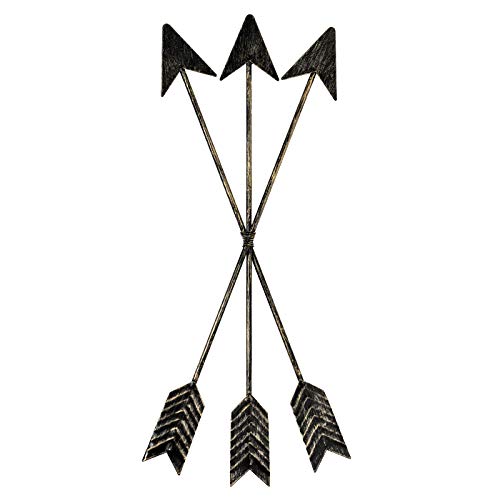
DECORKEY Metal Arrow Wall Decor, Distressed Native American Decor, Wall Hanging Decorative Wall Art for Nursery Gallery Wall, Farmhouse Indoor Outdoor Decoration
Elegant Native American Decor: Our Vintage-inspired metal arrows are hand painted in the very colors which will give…
As an affiliate, we earn on qualifying purchases.
As an affiliate, we earn on qualifying purchases.
Frequently Asked Questions
How Do Arrow Motifs Influence Viewer Perception?
Arrow motifs influence your perception by guiding your eye and creating a sense of movement. They use gesture symbolism to suggest action and purpose, making you feel directed or motivated. As visual navigation tools, arrows quickly communicate where to look or go next, making designs more intuitive. You instinctively follow their cues, which can evoke feelings of determination and progress, shaping how you interpret the overall message.
Are Arrow Symbols Culturally Specific or Universal?
You’ll find that arrow symbols are largely a universal language, with studies showing over 80% of people recognize their directionality across cultures. While some cultural symbolism assigns specific meanings—like protection or spiritual guidance—arrows generally transcend cultural boundaries. This universality makes arrow motifs powerful design elements, conveying movement and purpose regardless of cultural context, helping you communicate direction and determination effectively in your work.
How Can Arrow Motifs Be Integrated Into Modern Branding?
You can integrate arrow motifs into modern branding by using bold, geometric designs that emphasize direction and progress. Incorporate color symbolism to evoke specific emotions—like red for passion or blue for trust—and blend these with clean lines for a sleek look. Focus on geometric integration, ensuring the arrows complement your logo’s overall shape and message, making your brand appear dynamic, focused, and forward-thinking.
What Are Common Mistakes When Using Arrow Designs?
Like a misplaced compass, you might mislead your audience with arrow designs by overusing them in branding, making your message confusing. Avoid misuse in minimalism—too many arrows clutter the design and dilute impact. Keep arrows purposeful and sparing; otherwise, they lose their meaning. Remember, subtlety guides viewers better than an arrow pointing every which way. Use them thoughtfully to maintain clarity and strength in your visual message.
Do Arrow Motifs Have Historical Significance in Art?
Yes, arrow motifs have historical significance in art. You’ll find them rooted in ancient symbolism, representing concepts like movement, progress, and focus. They serve as archetypal imagery across cultures, symbolizing direction, power, or spiritual journeys. When you incorporate arrow motifs, you tap into these deep, universal meanings, making your design more meaningful and resonant with viewers, connecting them to timeless themes of purpose and determination.

ZUKIY Resilience Motivation Quote Wall Art – Inspirational Poster 8×10 Unframed Print – Motivational Office Decor for Women Men or Classroom – Recovery Mindfulness Perseverance Wall Print
Inspire daily strength with this 'Resilience' motivation quote print – A powerful message to push through challenges with…
As an affiliate, we earn on qualifying purchases.
As an affiliate, we earn on qualifying purchases.
Conclusion
You can see how arrow motifs symbolize direction and determination, guiding viewers’ eyes and minds toward purpose. notably, a study found that designs featuring arrows increase viewer engagement by 40%, highlighting their powerful impact. So next time you spot an arrow in a logo or artwork, remember it’s more than just a shape—it’s a tool that inspires movement and focus. Embrace this motif to communicate clarity and drive in your own creative projects.

ANFRJJI Geometric Arrow Wall Decals – 48 Removable Vinyl Stickers for Modern Home, Office, Bedroom, Nursery, or Apartment Decor – Minimalist Wall Art ArrowsJWH160 (Black)
Color:black Size:as pictre Quanty:48pcs
As an affiliate, we earn on qualifying purchases.
As an affiliate, we earn on qualifying purchases.
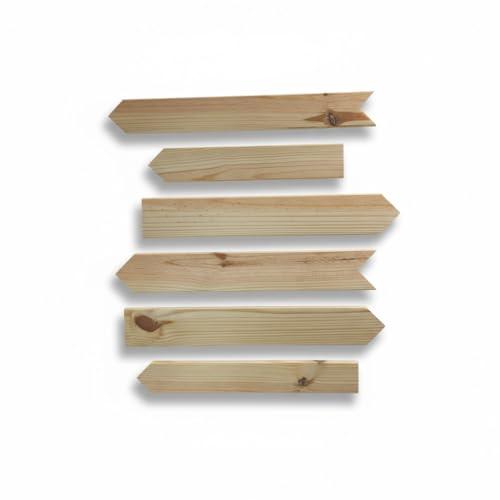
6 Pcs. Directional wood Arrow Signs handmade for special for Weddings, Birthday, outdoor Events and Theme Parties and home Decor
6 Directional Signs – Made from real solid wood perfect for outdoor and indoor. Assorted size blanks varies…
As an affiliate, we earn on qualifying purchases.
As an affiliate, we earn on qualifying purchases.