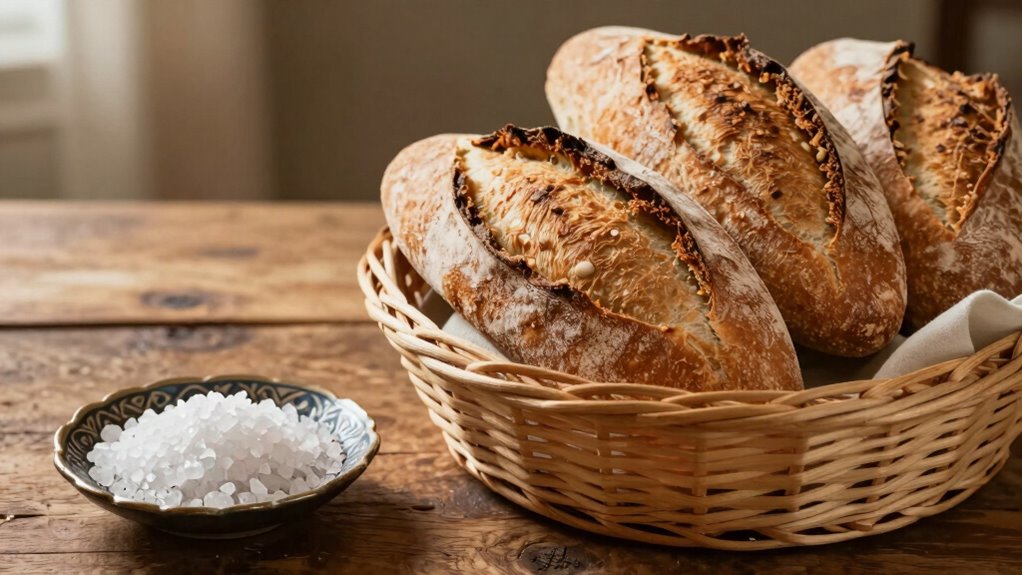

You’ll find that bread and salt are symbols of hospitality because they represent trust, respect, and warmth when offered to visitors. Across many cultures, presenting bread symbolizes life and abundance, while salt stands for purity and friendship. These gestures, rooted in history, show that hosts sincerely want to care for their guests. If you keep exploring, you’ll discover more about the deep traditions and meanings behind these enduring symbols.

Prime made for students and young adults
- Fast, free delivery for dorm and study essentials
- Prime Video and Amazon Music included
- Member-only deals
Key Takeaways
- Bread and salt are universal symbols of trust, respect, and friendship when offered to guests.
- Historically, bread represents sustenance, while salt signifies purity and preservation, emphasizing hospitality’s importance.
- Rituals and presentations of bread and salt vary culturally but consistently symbolize goodwill.
- Offering bread and salt demonstrates sincerity and the host’s willingness to provide for the guest.
- The tradition fosters social bonds, trust, and the universal human need for connection.
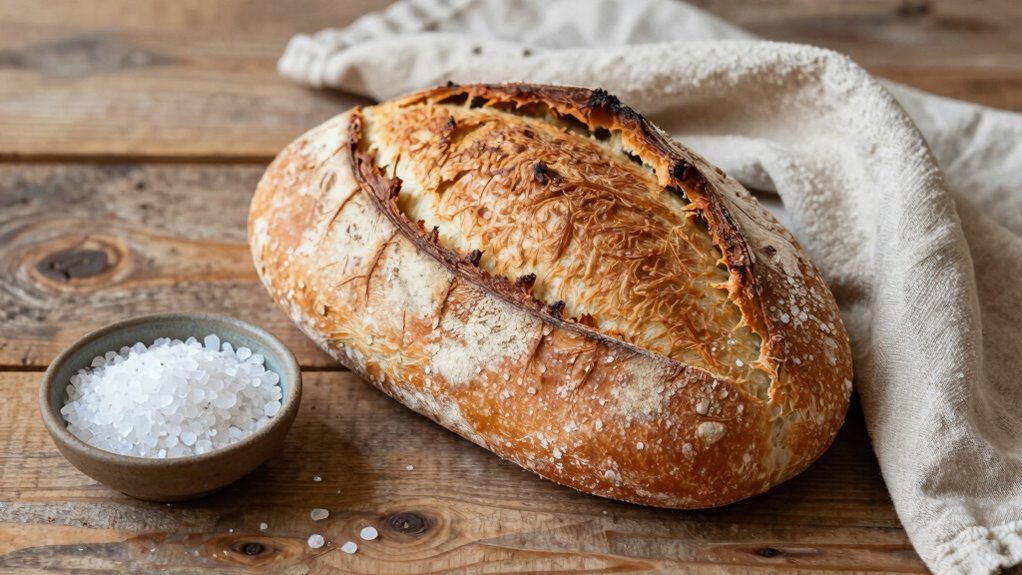
Have you ever noticed the small gestures and objects that instantly make you feel welcomed? One of the most universal symbols of hospitality is bread and salt. These humble items carry deep cultural significance, serving as powerful gestures of friendship and goodwill across many societies. When a guest is offered bread and salt, it’s more than just a kind gesture—it’s a sign of trust, respect, and an invitation to share in the host’s hospitality. You might find it fascinating how these symbols vary in meaning and presentation across different cultures, yet consistently embody warmth and acceptance. This tradition often involves specific rituals or presentations that deepen its significance, highlighting its role in fostering cultural identity. In many cultures, especially in Eastern Europe and the Mediterranean, offering bread and salt has a long-standing tradition rooted in history. Historically, bread has been a staple of sustenance, symbolizing life and abundance. Salt, on the other hand, has historically been a precious resource, representing purity, preservation, and friendship. Together, they form a powerful duo that conveys a host’s sincerity and willingness to provide for a guest. The historical significance of this custom stretches back centuries, often associated with welcoming dignitaries, royalty, or travelers. It’s a gesture that transcended social classes, emphasizing the importance of hospitality in building trust and community. Additionally, the significance of salt in ancient trade and cultural exchanges underscores its value beyond the simple act of offering it. Understanding these customs helps you appreciate their enduring significance and the ways they reinforce social bonds. Moreover, the tradition of hospitality serves as a reminder of the universal human need for connection and acceptance.
Small gestures like bread and salt symbolize trust, warmth, and hospitality across cultures, inviting connection and goodwill.
Cultural variations deepen the richness of this tradition. In some regions, the bread might be a simple loaf, while in others, it could be elaborately decorated or served with specific rituals. The salt might be presented in a small dish or sprinkled directly onto the bread, depending on local customs. Despite these differences, the core message remains the same: offering bread and salt is an act of goodwill. You can see how, in many traditions, refusing these offerings might be considered impolite or even an insult, underscoring the deep-rooted importance of this gesture.
As an affiliate, we earn on qualifying purchases.
Frequently Asked Questions
How Did Bread and Salt Originate as Symbols of Hospitality?
You might be surprised to learn that bread and salt originated as symbols of hospitality through historical origins in ancient cultures, where offering bread signified sustenance and salt represented preservation and purity. Across different cultural variations, these items became universal gestures of welcoming guests, symbolizing friendship and trust. By sharing bread and salt, hosts expressed generosity and goodwill, creating bonds that transcend time and borders.
Are These Symbols Used in Specific Cultures or Universally?
You’ll find that bread and salt are used as symbols of hospitality in many cultures, but not universally. Cultural variations influence how each society perceives these symbols, with some emphasizing their historical origins for welcoming guests. For example, in Eastern Europe, offering bread and salt remains a traditional gesture of friendship, while other cultures might have different customs. Understanding these differences helps you appreciate the rich variety of hospitality practices worldwide.
What Other Items Are Traditionally Used as Hospitality Symbols?
You might find that flowers, especially roses or jasmine, serve as warm welcomes across many cultures, symbolizing beauty and good wishes. In some regions, a simple cup of tea or coffee acts as a heartfelt gesture of hospitality. Cultural variations and historical origins influence these traditions, making each item—from embroidered cloths to carved wooden tokens—unique symbols that invite trust and friendship, creating a cozy, inviting atmosphere.
How Do Modern Hospitality Practices Incorporate Bread and Salt?
In modern hospitality, you often incorporate bread and salt through cultural variations like bread baskets and salt shakers at the table, symbolizing warmth and welcome. You might also see them in traditional ceremonies or as decorative elements in restaurants. These modern adaptations preserve the symbolism while blending tradition with contemporary settings, allowing guests to feel appreciated and at home regardless of cultural differences.
Do These Symbols Have Spiritual or Religious Significance?
Yes, bread and salt hold spiritual and religious significance. For example, in Eastern Orthodox Christianity, sharing bread and salt during rituals symbolizes welcoming divine blessings and spiritual unity. These symbols often represent purity, sustenance, and protection in religious rituals. When you offer bread and salt, you’re not just showing hospitality but also invoking spiritual blessings, emphasizing trust, friendship, and the sacred nature of the relationship.
Conclusion
You now see how bread and salt beautifully symbolize benevolence and belonging. By offering bread, you’re giving nourishment; with salt, you’re sharing sustenance and sincerity. These simple symbols serve as steadfast signposts of sincere, welcoming spirit. So, next time you extend these humble hospitality tokens, remember—they’re more than mere snacks. They’re sacred signs of sharing, showing that in your home, everyone’s embraced with warmth, welcome, and wonderful wonder.
Fall Picks
fall essentials
As an affiliate, we earn on qualifying purchases.