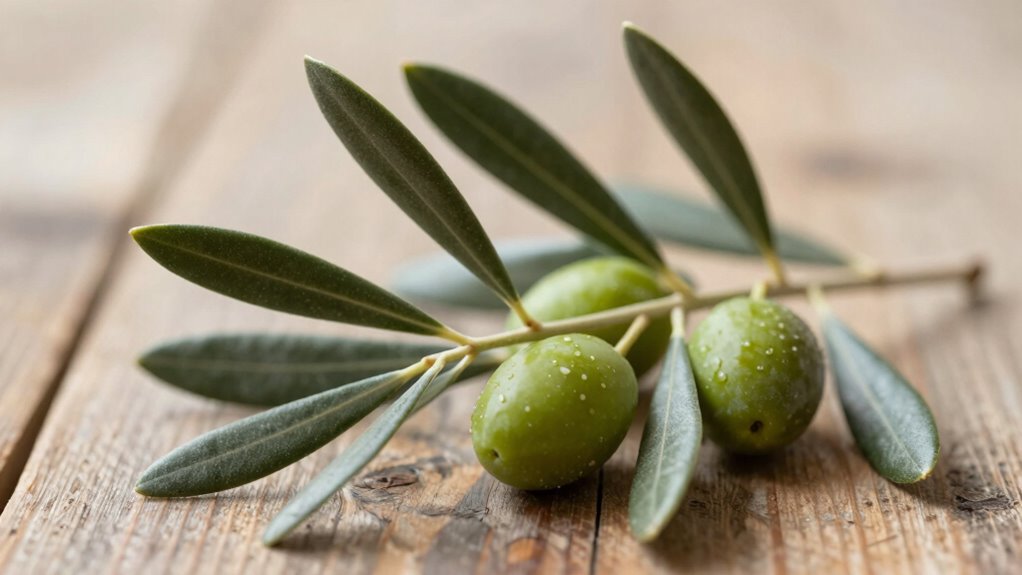

You see the olive branch as a symbol of peace because its roots trace back to ancient mythology, especially linked to Athena and the sacred olive tree gifted to Athens. It represents harmony, hope, and reconciliation, often used in diplomatic gestures to show goodwill. The olive branch’s universal recognition spans cultures and time, symbolizing a wish for peace and understanding. If you keep exploring, you’ll discover how its rich history continues to influence modern diplomacy and rituals worldwide.

Prime made for students and young adults
- Fast, free delivery for dorm and study essentials
- Prime Video and Amazon Music included
- Member-only deals
Key Takeaways
- Rooted in ancient mythology, especially linked to Athena and the sacred olive tree, symbolizing prosperity and peace.
- Represents reconciliation and harmony, historically used in peace treaties and diplomatic gestures.
- The olive branch’s color signifies growth, renewal, and ongoing peace efforts across cultures.
- Incorporated in rituals and ceremonies worldwide as a symbol of hope and reconciliation.
- Continues to be a universal icon of peace in modern diplomacy, culture, and social movements.
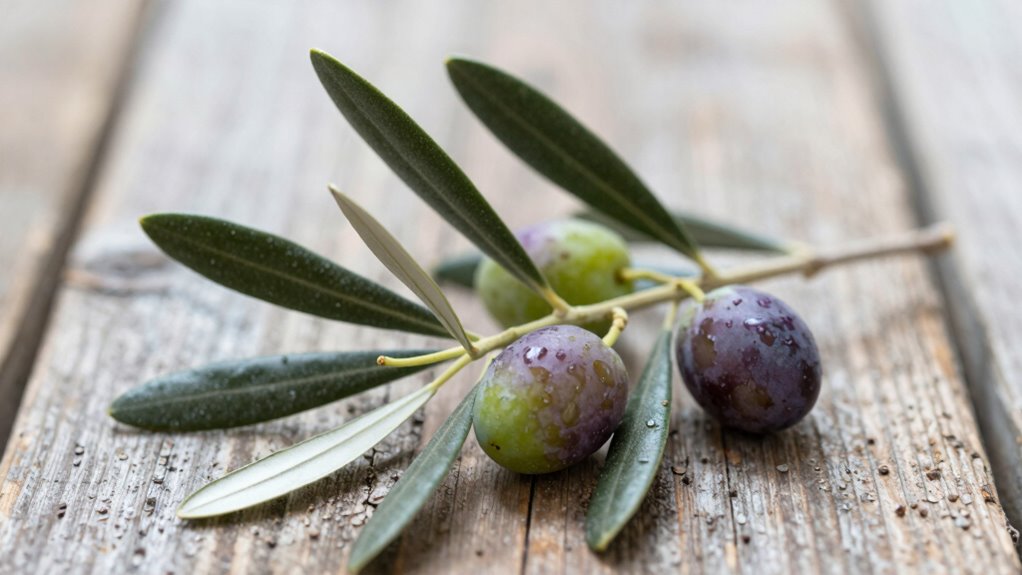
The olive branch has long been recognized worldwide as a powerful symbol of peace and reconciliation. Its significance stretches back thousands of years, rooted in ancient mythology and carrying through to modern diplomatic symbols. When you see an olive branch, you’re witnessing a tradition that connects past and present, embodying hopes for harmony and understanding. In ancient mythology, the olive tree was more than just a source of food and oil; it was sacred to Athena, the goddess of wisdom and warfare. According to myth, Athens gained the olive tree as a gift from the goddess, symbolizing prosperity, wisdom, and peace. This divine connection helped establish the olive branch as a sign of reconciliation, especially after conflicts or disputes. The mythological stories reinforce its role as a bridge between hostility and harmony, reminding you that peace is worth endeavoring for, even amid chaos. Additionally, the color symbolism of the olive branch, often associated with growth and renewal, further cements its status as a universal icon of peace. The enduring nature of this symbol highlights how cultural significance has remained relevant across different eras and cultures. Its symbolism continues to reinforce its power as a symbol that transcends individual societies and historical periods. The olive branch’s association with diplomatic gestures and international relations demonstrates its ongoing importance in fostering global peace efforts. Its use in various ceremonies and rituals worldwide exemplifies how deeply embedded this symbol is in peace traditions across civilizations.
Moving into the present, the olive branch’s role as a diplomatic symbol remains just as powerful. When leaders extend an olive branch, they’re offering an olive leaf as a gesture of goodwill and a desire to end conflict. It’s a universal sign that transcends language and culture, making it a go-to symbol in negotiations and peace treaties. For example, in the aftermath of war or political disagreements, presenting an olive branch is a symbolic act that signals a willingness to reconcile and collaborate. You see it in official ceremonies, diplomatic gestures, and even in popular culture, where it signifies hope and the possibility of peace. This continuity from ancient mythology to modern diplomacy demonstrates how deeply the olive branch’s symbolism resonates across time.
As an affiliate, we earn on qualifying purchases.
Frequently Asked Questions
When Did the Olive Branch First Become a Peace Symbol?
You might find that the olive branch first became a peace symbol in ancient mythology and religious symbolism over 2,000 years ago. In Greek mythology, gods like Athena and Zeus associated the olive branch with peace and victory. Religious symbolism also adopted it as a sign of reconciliation and hope. Over time, this symbolism spread through cultures, solidifying the olive branch as a universal emblem of peace and harmony.
Are Olive Branches Used in Modern Peace Ceremonies?
Yes, olive branches are still used in modern peace ceremonies. You might see them in official events or diplomatic gestures, symbolizing reconciliation and harmony. The olive branch symbolism continues to play a role in peace ceremony traditions around the world, reinforcing the message of hope and unity. By offering an olive branch, you’re participating in a centuries-old tradition that signifies a desire for peaceful resolution and goodwill among nations and communities.
What Cultural Differences Exist in the Olive Branch Symbol?
Imagine the olive branch as a universal handshake, yet its meaning shifts across cultures. In Western traditions, it symbolizes reconciliation and hope, while in ancient Greece, it signified victory and honor. Cultural interpretations influence its symbolic variations, making it a diverse emblem of peace worldwide. You see, understanding these differences helps you appreciate how a simple branch carries layered messages, bridging gaps through shared symbols with unique local meanings.
How Is the Olive Branch Depicted in Different Art Forms?
You see the olive branch depicted in various artistic representations, from ancient sculptures to modern paintings. Artists often portray it as a delicate, curved branch with leaves and sometimes olives, emphasizing its symbolism of peace and reconciliation. In religious art, it appears in scenes of divine blessing, while in national symbols, it’s stylized to convey unity. These artistic representations reinforce the olive branch’s enduring message of hope and harmony.
Can Olive Branches Be Used as a Peace Gift Today?
Yes, you can use olive branches as a peace gift today, honoring traditional peace gesture customs. Olive branch symbolism continues to represent reconciliation, goodwill, and harmony. Giving an olive branch is a meaningful way to express your desire for peace and understanding, especially in conflicts or disagreements. While not always literal now, the gesture still carries powerful cultural significance, making it a timeless symbol of hope and diplomacy.
Conclusion
So, next time you see an olive branch, remember it’s more than just a plant—it’s a powerful symbol of hope and reconciliation. Just like its gentle leaves, it reminds us that peace is delicate but attainable. When disputes fade and harmony blossoms, it’s as if the olive branch has been extended once again. Embrace its quiet message: in unity and understanding, true peace begins to grow.
Halloween Picks
halloween
As an affiliate, we earn on qualifying purchases.