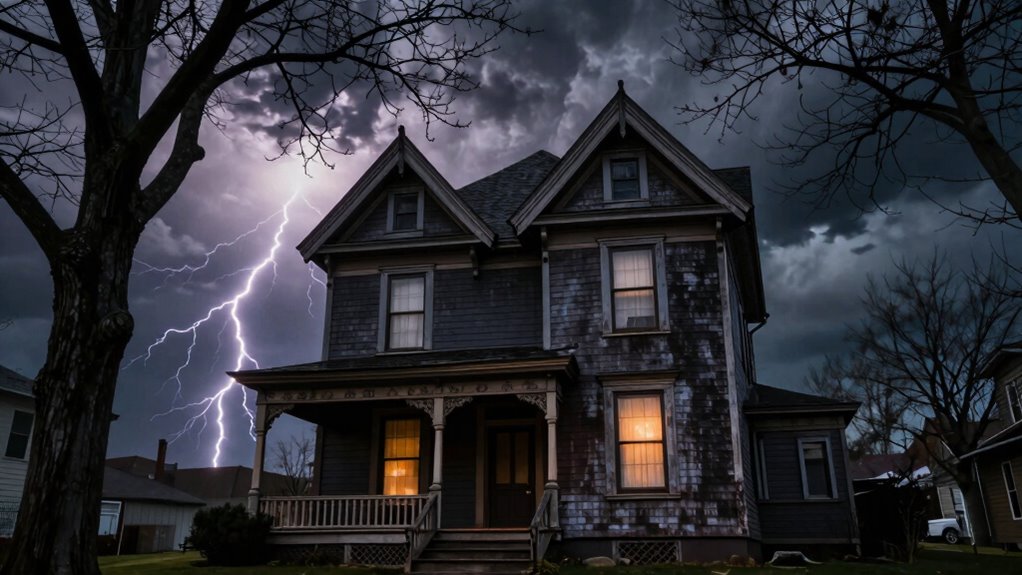

Houses are powerful symbols in fiction because they represent personal memories, emotional states, and identity, shaping how characters see themselves and the world. They serve as sanctuaries that provide comfort, nostalgia, or tension, reflecting internal struggles and growth. Through architectural features and physical form, houses deepen the story’s themes, connecting universal desires for security and belonging. If you keep exploring, you’ll discover how these symbols reveal even more about human experience.
Key Takeaways
- Houses embody personal memories and identity, reflecting characters’ internal struggles and aspirations.
- They serve as emotional sanctuaries, symbolizing security, belonging, and nostalgia.
- The transformation of a house mirrors characters’ internal growth and emotional healing.
- Architectural features and physical form enhance symbolic meaning and thematic depth.
- Houses connect universal human desires for stability, love, and understanding, enriching storytelling.
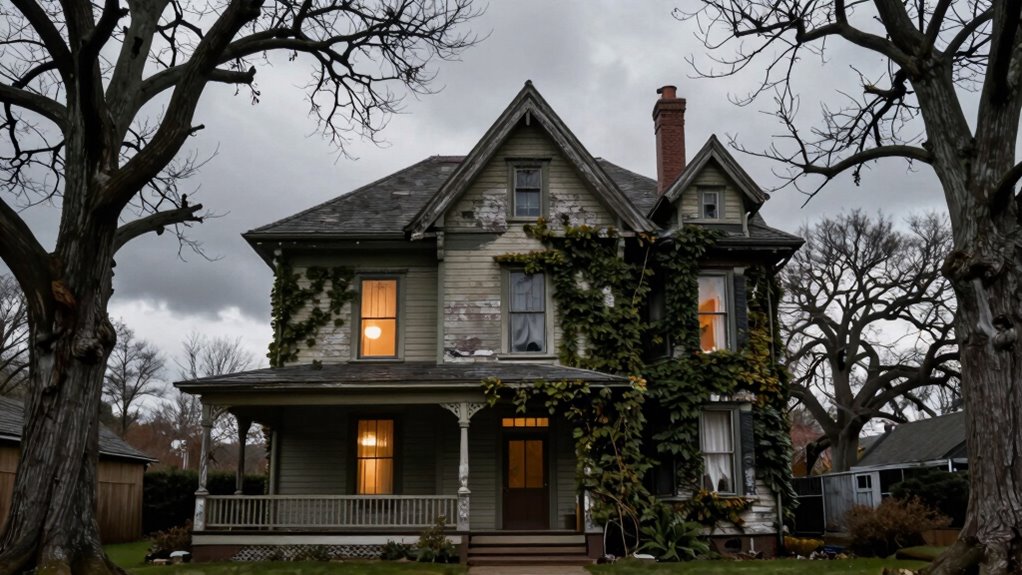
Have you ever noticed how a house in fiction often stands for more than just a physical structure? It becomes a symbol that captures the essence of personal history, emotional security, and identity. When characters walk through the doors of their homes, they’re not just entering a space—they’re stepping into a realm filled with memories, hopes, and fears. The house often acts as a family sanctuary, a refuge where bonds are forged and conflicts unfold. It embodies the stability that keeps characters grounded amid chaos or change. This sanctuary quality makes the house a powerful symbol because it resonates deeply with universal human experiences—especially those rooted in childhood memories.
In stories, a house can evoke nostalgia, reminding us of simpler times when life was more straightforward, and love was unconditional. These childhood memories, stored in the walls and rooms of a family home, hold a special significance. They serve as a backdrop for growth, shaping how characters see themselves and their world. When a character revisits their childhood home, it’s often a journey into their subconscious, bringing unresolved feelings or past traumas to the surface. The house becomes a mirror reflecting their internal struggles and aspirations. Its familiar layout, cherished possessions, and even its imperfections symbolize the continuity of personal history, offering comfort and a sense of belonging. Additionally, the emotional significance of a home can influence the character’s decisions and development within the story. Sometimes, writers use the house as a battleground of emotional conflicts. A once-welcoming family sanctuary might become a site of tension or alienation, symbolizing fractured relationships or personal loss. Conversely, restoring or reclaiming a house can represent healing and renewal. The house’s transformation mirrors the character’s internal growth, making it a dynamic symbol that evolves throughout the narrative. Furthermore, the architectural features of a house can emphasize its symbolic meaning, reflecting the character’s personality or current emotional state. Whether it’s a humble cottage or a sprawling mansion, the house’s physical form often echoes the character’s emotional state or social standing. Additionally, the contrast ratio of a home’s interior lighting can influence the mood and atmosphere, enhancing its symbolic meaning within a story. Recognizing the symbolic power of architecture helps deepen our understanding of how physical spaces reflect internal worlds and thematic elements.
Ultimately, the house’s power as a symbol lies in its ability to encapsulate the complex layers of human experience. It’s a vessel for memories, a haven for love, and sometimes a prison of past mistakes. As a reader or viewer, you connect with these symbols because they speak to your own desire for security, belonging, and understanding. The house in fiction isn’t just a setting; it’s a living, breathing symbol of what it means to be human.
As an affiliate, we earn on qualifying purchases.
Frequently Asked Questions
How Does the Architectural Style Influence a House’s Symbolic Meaning?
Your understanding of architectural symbolism shows that the style of a house deeply influences its symbolic meaning. Stylistic implications, like Gothic arches or modern minimalism, evoke specific emotions and themes. For example, a Victorian house might suggest tradition or decay, while a sleek contemporary design symbolizes progress or coldness. By choosing an architectural style, you shape how characters and readers interpret the house’s role, making it a powerful, layered symbol in fiction.
Can a House Symbolize Personal Growth or Transformation?
A house can symbolize personal growth or transformation by representing your emotional sanctuary. For example, imagine redecorating a once dark, cluttered space into a bright, organized haven. This change mirrors your inner journey of self-improvement. Interior design transforms the house into a reflection of your evolving self, showing how your environment adapts as you grow. The house becomes a powerful symbol of your ongoing journey toward self-discovery and renewal.
What Cultural Differences Affect House Symbolism in Fiction?
You’ll find that cultural differences shape how houses symbolize meaning in fiction. In some cultures, houses represent family heritage through rituals and traditional practices. Societal norms influence whether a house signifies stability or change. For example, in collectivist societies, houses embody community and shared identity, while in individualist cultures, they focus on personal achievement. Recognizing these variations helps you understand characters’ motivations and cultural backgrounds better.
How Do Writers Use House Symbolism to Reveal Character Traits?
You see, writers use house symbolism to reveal character traits by showing how a house reflects their identity and emotional shelter. For example, a well-kept house indicates stability and pride, while a cluttered or damaged one hints at inner turmoil or insecurity. You can observe how characters treat their homes, which reveals their true nature and feelings, making the house a powerful tool for character development in fiction.
Are There Common House Symbols Across Different Literary Genres?
You’ll find that common house symbols, like cozy hearths or eerie haunted dwellings, appear across genres, representing safety or mystery. Dream spaces such as idyllic cottages evoke comfort, while haunted dwellings hint at hidden fears or unresolved issues. These symbols resonate universally, transcending genres, and deepen storytelling by reflecting characters’ inner worlds. So, whether a sanctuary or a sinister backdrop, houses consistently serve as meaningful symbols in diverse literary landscapes.
Conclusion
Think of the house as a silent storyteller, whispering secrets of its walls and the lives it shelters. It’s more than just bricks and mortar—it’s a mirror of your deepest fears, hopes, and transformations. When you step inside a house in fiction, you’re stepping into a universe of emotions, memories, and identity. Ultimately, the house’s power lies in its ability to hold your stories and shape who you become, making it an enduring symbol of the human experience.