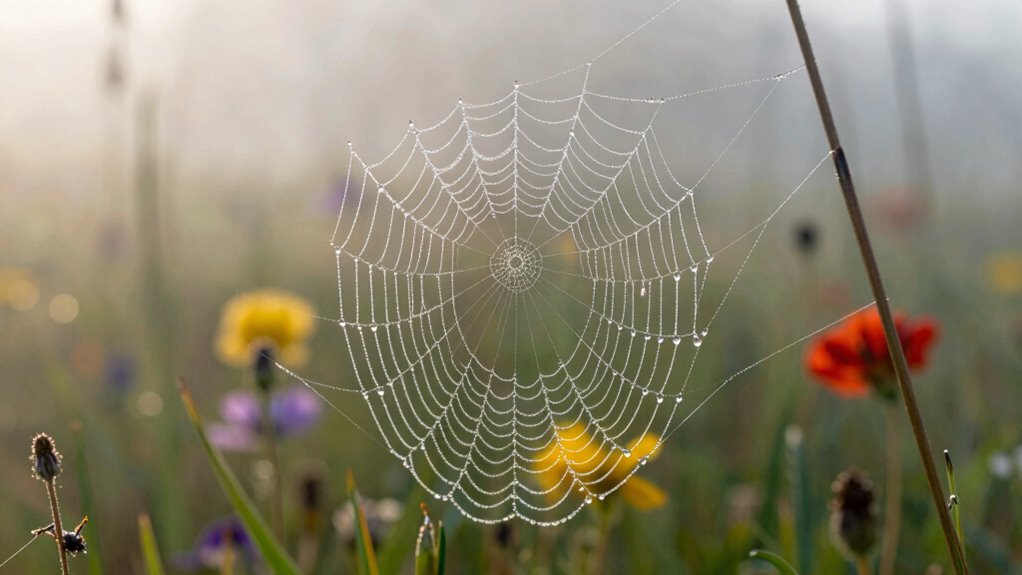

Imagery in poetry and prose uses vivid sensory details and symbols to create mental pictures that draw you into the story or poem. It appeals to your senses—sight, sound, smell, taste, and touch—making scenes feel real and emotionally resonant. Symbols add layers of meaning, helping you understand abstract ideas through concrete images. If you keep exploring, you’ll discover how imagery can deepen your appreciation and understanding of literature’s artful craft.

Prime made for students and young adults
- Fast, free delivery for dorm and study essentials
- Prime Video and Amazon Music included
- Member-only deals
Key Takeaways
- Imagery in poetry and prose uses sensory details to create vivid mental pictures and evoke emotions.
- It employs objects, colors, and scenes as symbols representing larger ideas or themes.
- Sensory descriptions set the mood, reinforcing the tone and emotional atmosphere of the work.
- Combining vivid details with symbols adds layered meanings and enhances interpretation.
- Overall, imagery makes abstract concepts concrete, engaging readers’ senses and deepening understanding.

Imagery serves as a powerful tool that writers use to evoke vivid mental pictures and engage your senses. When you read a poem or prose rich in imagery, it’s like stepping into a scene where every detail is carefully crafted to stimulate your mind and emotions. Writers achieve this through sensory details—descriptions that appeal to your sight, sound, smell, taste, and touch—making scenes feel real and tangible. By doing so, they transform abstract ideas or emotions into concrete experiences you can visualize and feel.
Imagery brings scenes to life, engaging your senses to turn abstract ideas into vivid, tangible experiences.
But imagery isn’t just about creating pretty pictures. It often carries symbolic representation, where objects, colors, or scenes stand for larger ideas or themes. For example, a dark, stormy sky might symbolize turmoil or danger, while a blooming flower can represent hope or renewal. When you encounter these symbols within imagery, they deepen your understanding of the text, connecting you with broader messages beyond the literal words. You start to see how the writer uses these symbols intentionally, layering meanings to evoke emotional responses or highlight themes.
You might notice that writers don’t simply describe things; they choose details that evoke specific feelings or associations. For instance, describing a cold, empty room with “frosted windows and a lingering silence” appeals to your senses of sight and sound, creating an atmosphere of loneliness or desolation. These details aren’t random—they’re chosen to reinforce the mood or message of the piece. As a reader, your mind actively fills in the images, making the experience more immersive and personal. Additionally, understanding how sensory details can be manipulated helps you recognize the deliberate use of imagery that enhances storytelling. Recognizing these techniques can deepen your appreciation for the craft involved in creating vivid scenes.
Using imagery effectively means understanding how sensory details and symbolic representation work together. Writers often combine vivid descriptions with symbolic elements to create layers of meaning. When you read about a “crimson sunset,” you might see the vibrant colors and feel the warmth, but the red might also symbolize passion or violence, depending on the context. This interplay helps you interpret the work on multiple levels, enriching your engagement with the text. Developing an awareness of literary devices such as imagery allows you to better analyze and interpret the underlying messages the writer intends to convey.
Ultimately, imagery in poetry and prose is about making abstract ideas concrete and visceral. It invites you to see, hear, and feel the writer’s world, transforming words into a multi-sensory experience. By paying attention to these details, you gain a deeper appreciation of the craft behind the writing and the emotional or symbolic messages woven through it. This understanding can also enhance your own writing, helping you craft more engaging and meaningful descriptions.
As an affiliate, we earn on qualifying purchases.
Frequently Asked Questions
How Does Imagery Differ From Symbolism in Literature?
Imagery differs from symbolism because it provides a vivid visual representation that appeals to your senses, helping you picture scenes or emotions clearly. Symbolism, on the other hand, offers thematic symbolism, where an object or idea represents deeper meanings beyond its literal sense. You experience imagery directly through descriptive language, while symbolism invites you to interpret underlying themes and messages, adding layers of complexity to the literature.
Can Imagery Be Used to Reveal a Character’s Inner Thoughts?
A picture’s worth a thousand words, and imagery reveals a character’s inner thoughts by conveying their emotional depth. You can use vivid descriptions of sights, sounds, or sensations to show what they hide inside. When you employ imagery effectively, it helps readers understand a character’s feelings without explicitly stating them, creating a richer, more nuanced portrayal of their inner world.
What Are Common Types of Imagery Found in Poetry?
In poetry, common types of imagery include visual descriptions, which paint vivid pictures in your mind, and sensory details that evoke emotions. You might notice images of bright colors, dark shadows, or gentle breezes, all designed to make you feel something. These images help deepen your understanding and emotional connection, making the poem more impactful. By engaging your senses, poets craft powerful scenes that resonate long after you read.
How Does Sensory Imagery Enhance Reader Engagement?
You might wonder how sensory imagery pulls you in. It sparks your visual senses, making scenes vivid and real, but it’s more than that. It also creates emotional resonance, deepening your connection to the story. This immersive experience keeps you engaged, enthusiastic to uncover what’s next. Sensory imagery transforms words into a powerful tool that heightens your emotional response and keeps you hooked from start to finish.
Is Imagery Always Literal or Can It Be Abstract?
Imagery isn’t always literal; it often uses metaphorical expressions to evoke abstract concepts. You’ll find poets and writers employing vivid images that symbolize feelings or ideas, making them more relatable and engaging. Instead of just describing something directly, they craft layers of meaning, allowing you to interpret the imagery on multiple levels. So, imagery can be both concrete and abstract, enriching the reader’s experience through nuanced symbolism.
Conclusion
You might think imagery’s just pretty pictures in words, but it’s actually a powerful tool that deepens your understanding and emotional connection. While some may see it as mere decoration, effective imagery shapes your perception and makes stories or poems resonate long after you’ve finished reading. Don’t overlook its subtle strength; mastering imagery allows you to craft more vivid, memorable, and impactful writing that truly engages your audience on a deeper level.
Halloween Picks
halloween
As an affiliate, we earn on qualifying purchases.