
TL;DR

Prime made for students and young adults
- Fast, free delivery for dorm and study essentials
- Prime Video and Amazon Music included
- Member-only deals
India operates a seismic alert system that detects early earthquake signals but cannot predict earthquakes in advance. This system provides short-term warnings, helping mitigate damage. The development highlights both the progress and limitations of India’s seismic preparedness.
India’s seismic warning system can detect early signals of earthquakes and issue alerts seconds to minutes before shaking begins, but it cannot predict earthquakes days or weeks in advance. This distinction is confirmed by officials and scientists involved in seismic monitoring, emphasizing the system’s role in immediate warning rather than prediction. The system’s capabilities are vital for emergency preparedness, but its limitations shape ongoing debates about earthquake risk mitigation in India.
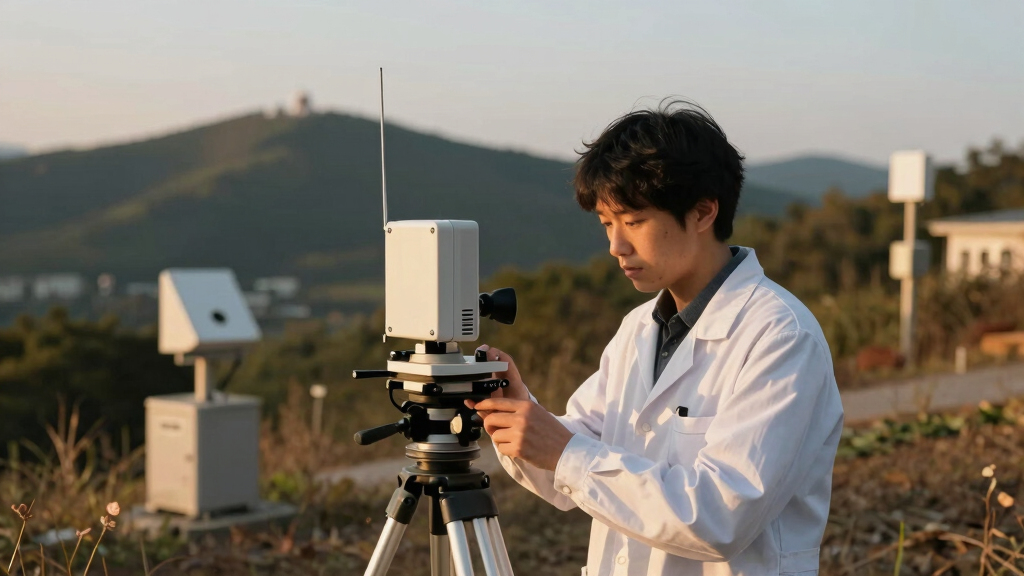
India’s seismic monitoring network, operated by the Indian Meteorological Department (IMD) and the Indian National Centre for Seismic Research (NCS), uses a network of seismometers to detect initial P-waves—fast, less destructive waves that arrive before the more damaging S-waves and surface waves. When these early signals are detected, the system can issue alerts to vulnerable regions, providing seconds to a few minutes of warning. This early warning system is designed to help people take cover, activate safety protocols, and halt critical infrastructure operations.
However, officials and scientists confirm that the system does not have the capability to predict earthquakes days or weeks in advance. Earthquake prediction remains a scientific challenge worldwide, with no reliable method currently available to forecast specific seismic events well ahead of time. The system’s alerts are thus limited to short-term warnings based on real-time detection of seismic activity, not pre-emptive predictions.
India has experienced devastating earthquakes in the past, notably the 2001 Gujarat quake and the 2015 Nepal earthquake, prompting investments in seismic monitoring and early warning technology. The current system has been tested during recent tremors, with alerts generally issued within seconds of detection, allowing some regions to prepare for shaking.
Why India’s Earthquake Warning Capabilities Matter
The system’s ability to provide even seconds of warning can save lives, reduce injuries, and prevent damage to infrastructure during earthquakes. While it cannot predict earthquakes days in advance, the real-time detection and alerting can be crucial in densely populated and vulnerable regions, especially in the Himalayan seismic zone and northern India. Understanding its limitations helps policymakers and the public set realistic expectations about earthquake preparedness and risk mitigation strategies.
This distinction also influences investment priorities, emphasizing strengthening infrastructure resilience and public education over reliance on prediction technologies that do not yet exist. The system’s success and limitations are under scrutiny as India prepares for potential future seismic events.
As an affiliate, we earn on qualifying purchases.
India’s Seismic Monitoring and Past Earthquake Events
India sits on a tectonic boundary where the Indian and Eurasian plates meet, making it prone to earthquakes. Historically, the country has experienced significant seismic events, including the 2001 Gujarat earthquake and the 2015 Nepal quake, which caused extensive damage and loss of life. In response, India has expanded its seismic monitoring network and developed early warning systems, especially in high-risk zones like the Himalayan region and the Gangetic plains.
India’s earthquake prediction efforts have been limited by scientific challenges, as no reliable method exists to forecast earthquakes days or weeks in advance. The current system relies on detecting initial seismic waves—P-waves—to issue warnings seconds to minutes before destructive shaking. Similar systems are operational in Japan, Mexico, and other earthquake-prone countries, but prediction remains elusive worldwide.
Recent tests of India’s warning system during minor tremors have generally shown timely alerts, but the system’s effectiveness depends on the density of sensors and rapid communication channels. Experts emphasize that the system is a tool for immediate response, not for prediction.
“Our system can detect early seismic signals and issue alerts seconds before shaking begins, but predicting earthquakes days or weeks in advance remains beyond current scientific capabilities.”
— Dr. R. K. Verma, Seismologist at NCS
Limitations of Earthquake Prediction in India
It is not yet clear whether future technological advances will enable reliable long-term earthquake prediction in India. Scientific research continues, but currently, no method exists to forecast earthquakes days or weeks in advance with certainty. The effectiveness of India’s short-term warning system depends on sensor density, communication speed, and public response, all of which can vary.
Additionally, the system’s ability to provide meaningful warnings during large, complex seismic events remains under evaluation, and there are questions about how to improve coverage in remote or densely populated areas.
Future Improvements and Policy Focus in Seismic Preparedness
India is expected to enhance its seismic monitoring network, increasing sensor density and communication infrastructure to improve warning times and reliability. Authorities are also working on public education campaigns to ensure communities understand the system’s capabilities and limitations.
Research into earthquake prediction continues globally, but India’s immediate focus remains on strengthening infrastructure resilience, emergency response protocols, and community preparedness. Regular drills and technology upgrades are planned to improve overall seismic safety.
Further assessments of the warning system’s performance during recent tremors will inform future policy decisions and investments in seismic risk mitigation.
Key Questions
Can India predict earthquakes days in advance?
No, India cannot predict earthquakes days or weeks in advance. Its current system detects early seismic signals to provide seconds to minutes of warning for immediate response.
How does India’s earthquake warning system work?
The system detects initial P-waves of seismic activity through a network of seismometers and issues alerts seconds before the more destructive waves arrive, giving people and infrastructure time to respond.
What are the limitations of India’s seismic warning system?
The system cannot forecast earthquakes in advance and depends on sensor coverage and communication speed. It provides only short-term warnings, not predictions.
Will the system prevent earthquake damage?
While it cannot prevent damage, the warning system can save lives and reduce injuries by allowing timely protective actions during seismic events.
Are other countries better at earthquake prediction?
No country currently has reliable long-term earthquake prediction capabilities. Most focus on early detection and warning systems for immediate response.
Source: google-trends
Halloween Picks
halloween
As an affiliate, we earn on qualifying purchases.