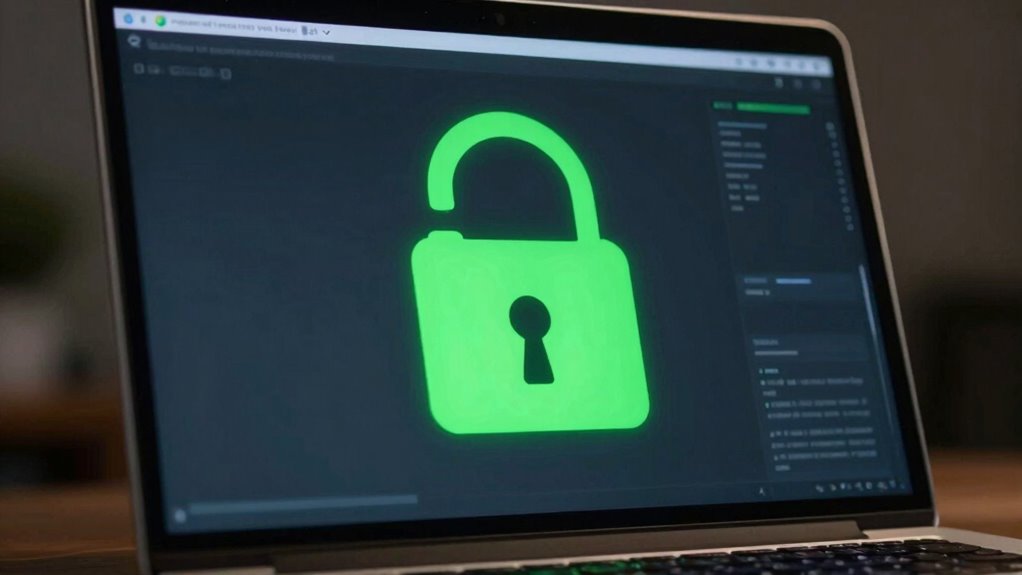

When you see a padlock icon online, it means your connection is protected with encryption, which keeps your data private and secure from hackers. It indicates that the website uses security measures like HTTPS and SSL/TLS certificates to verify its identity. This visual cue reassures you that your sensitive information, like passwords or credit card details, is safe during transactions. If you want to understand how these security features work and why they matter, there’s more to discover.

Get school and study supplies delivered free — and shop member deals
- Fast, free delivery on millions of items
- Access to Prime Big Deal Days deals on October 6–7
- Prime Video, Amazon Music and more included
Key Takeaways
- The padlock icon indicates that your connection to a website is secure and encrypted.
- It signifies that the website uses HTTPS and SSL/TLS certificates for data protection.
- The icon reassures users that their sensitive information is protected from interception.
- It shows that security measures are in place to verify the website’s authenticity.
- The padlock enhances trust and confidence in online transactions and data exchanges.

Whenever you see a padlock icon in your digital environment, it signals that your connection or data is protected. That little symbol is more than just a visual cue; it represents a security measure designed to keep your information safe from prying eyes. When you visit a website with this icon, it indicates that the site uses encryption protocols to secure the data exchanged between your device and the server. These protocols are essential for ensuring a secure data transfer, preventing hackers from intercepting sensitive details like passwords, credit card numbers, or personal information. Seeing the padlock means the site has taken steps to bolster your privacy and security, giving you a layer of confidence in your online activities.
Encryption protocols are the backbone of this protection. They work by converting your data into an unreadable format before it leaves your device. Only the intended recipient’s system has the key to decode this information back into a readable form. This process ensures that even if someone manages to intercept the data during transmission, they won’t be able to decipher its contents. The padlock icon, therefore, signifies that these protocols are in place, providing a secure environment for your online interactions. It’s a quick visual reassurance that the website or service you’re using values your privacy and has implemented measures for secure data transfer. Understanding encryption protocols can help you appreciate how your information remains safe during online exchanges.
In addition to encryption, the padlock icon often signifies that the website uses HTTPS rather than HTTP. The “S” stands for secure, indicating that the site employs SSL/TLS certificates, which authenticate the website’s identity and establish a secure connection. Without this, any data you send can be vulnerable to eavesdropping or tampering. When you see the padlock, you’re usually on a site that has verified its identity through these certificates, offering an added layer of trust. This is especially important when handling sensitive transactions, such as online shopping or banking, where secure data transfer is critical. Recognizing SSL/TLS certificates can help you identify trustworthy websites and make informed decisions about sharing your personal information online.
The padlock icon is also a visual marker that indicates a website has undergone some level of security verification, which is crucial for establishing trust and safety in digital interactions.
As an affiliate, we earn on qualifying purchases.
Frequently Asked Questions
Can a Padlock Icon Guarantee Complete Data Security?
A padlock icon doesn’t guarantee complete data security, but it indicates encryption protocols are in place, helping protect your information. While it shows efforts to guarantee data privacy, no system is entirely foolproof. You should still stay vigilant, use strong passwords, and keep software updated. The icon is a good sign, but always remember that true security depends on multiple layers of protection beyond just the visual cue.
Why Does the Padlock Icon Sometimes Appear and Sometimes Not?
In the digital age, the padlock icon sometimes appears, sometimes not—much like a hidden treasure. It signals encryption methods that protect your data, fostering user trust. When you visit secure websites, the icon shows up, confirming your connection is encrypted. If it disappears, it might mean the site isn’t using strong encryption or is mixed content. Always look for that padlock to verify your data stays safe and trustworthy.
Are All Padlock Icons the Same Across Different Platforms?
Not all padlock icons are the same across platforms. Padlock symbolism can vary, representing different levels of digital security or encryption. Some platforms use a simple padlock to indicate a secure connection, while others might add details like open versus closed locks. Don’t let digital security misconceptions fool you—always check the specifics, as the icon’s appearance doesn’t always guarantee the same security level across different websites or apps.
Does Clicking the Padlock Icon Improve My Online Security?
Clicking the padlock icon doesn’t directly improve your online security, but it often opens a gateway to features like password management and encryption standards. When you interact with it, you can access secure settings, update passwords, or verify encryption protocols, which bolster your security. So, while clicking alone isn’t enough, using the options behind the icon helps protect your data through better password management and encryption practices.
What Should I Do if a Website Shows a Padlock but Isn’t Trustworthy?
If a website shows a padlock but seems untrustworthy, don’t let that security symbol fool you. Instead, focus on good password management and avoid entering sensitive info. These padlocks can be misleading, increasing phishing risks. Always double-check the URL, look for HTTPS, and use trusted sources. Remember, a padlock isn’t a guarantee of safety—stay vigilant, protect your data, and don’t rely solely on icons.
Conclusion
Next time you see that padlock icon, picture it as a sturdy gate safeguarding your digital world. It’s your silent guardian, keeping prying eyes and unwelcome intruders out, like a lock on a treasure chest. Remember, that small symbol is your assurance of security amidst the vast online landscape. Trust it to stand firm, shielding your personal secrets, and let it remind you that your digital life is protected behind a simple, yet powerful, lock.
Halloween Picks
halloween
As an affiliate, we earn on qualifying purchases.