
TL;DR

Prime made for students and young adults
- Fast, free delivery for dorm and study essentials
- Prime Video and Amazon Music included
- Member-only deals
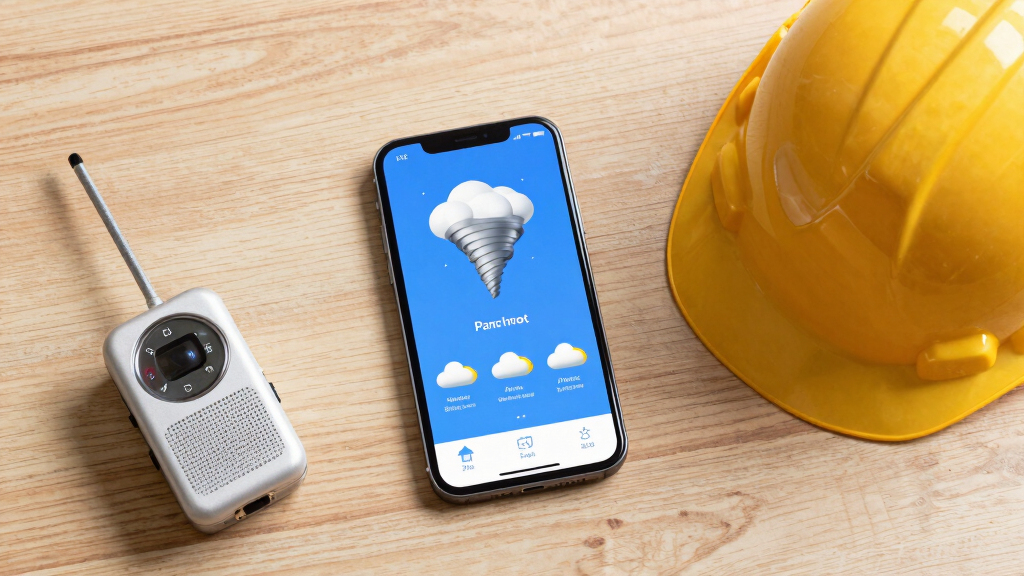
Tornado watches and warnings are distinct alerts issued by weather authorities. A watch indicates potential for tornadoes, while a warning signals an imminent or ongoing tornado. Clarifying these terms helps the public respond appropriately.
Emergency alert systems issue tornado watches and warnings to inform the public about severe weather threats. Clarifying the distinction between these alerts is vital for public safety, especially as recent weather patterns increase the frequency of tornado events across the U.S.
A tornado watch is issued when weather conditions are favorable for tornado development in a specified area, typically lasting several hours. It does not mean a tornado is imminent but indicates that residents should stay alert and monitor weather updates. Learn more about tornado watches. Conversely, a tornado warning is issued when a tornado has been sighted or indicated by radar, requiring immediate action from residents to seek shelter. These alerts are issued by the National Weather Service and are part of the emergency communication system used to protect public safety. Recent weather incidents in regions like the Midwest and Southeast have prompted increased public awareness of these alerts, though confusion persists about their differences. For example, the San Antonio Tornado highlights the importance of understanding local weather warnings.Officials emphasize that understanding the distinction can save lives. A tornado warning signals immediate danger, prompting people to take shelter, while a watch suggests preparedness without immediate action. The National Weather Service has reiterated the importance of paying close attention to local alerts and having a safety plan in place during severe weather seasons.
Why Clear Understanding of Tornado Alerts Matters for Safety
Knowing the difference between a tornado watch and warning can significantly impact safety outcomes. Misinterpreting a watch as an immediate threat could lead to complacency, while misunderstanding a warning might cause unnecessary panic or delayed response. Accurate knowledge ensures timely protective actions, such as moving to a basement or interior room, which can be lifesaving during tornado events. As severe weather becomes more unpredictable due to climate change, public awareness of these alerts remains critical for effective preparedness and response.
As an affiliate, we earn on qualifying purchases.
Recent Weather Patterns Increase Public Need for Clarification
Over the past year, the U.S. has experienced an uptick in severe weather events, including tornadoes in areas previously less affected. The National Weather Service regularly issues tornado watches and warnings during storm outbreaks, but public confusion about these terms persists. Historically, tornado watches have been issued hours before a storm, while warnings are issued when a tornado is confirmed or imminent. Recent incidents, including false alarms and delayed responses, highlight the need for clearer public education on these alerts.
“A tornado watch means conditions are favorable, but it’s not an immediate threat. A warning indicates you need to take cover now.”
— Meteorologist Jane Smith
Unclear Aspects of Public Response and Education Gaps
It remains uncertain how effectively the public understands and responds to these alerts, especially in areas with less frequent tornado activity. Additionally, the impact of recent weather patterns on the timing and issuance of alerts is still being studied. There is also ongoing debate about how best to improve public education and alert systems to reduce confusion and enhance safety outcomes.
Monitoring Weather Trends and Improving Alert Communication
Meteorologists and emergency agencies plan to analyze recent severe weather incidents to assess alert effectiveness. Efforts are underway to enhance public education campaigns, clarify alert language, and leverage technology for faster, more accurate warnings. Residents are advised to stay informed through official sources and prepare emergency plans tailored to severe weather scenarios.
Key Questions
What is the main difference between a tornado watch and a warning?
A tornado watch indicates conditions are favorable for tornadoes but none have been confirmed yet. A tornado warning means a tornado has been sighted or indicated by radar, requiring immediate action.
How long does a tornado watch typically last?
Usually, a tornado watch lasts several hours, often covering a large geographic area, to allow residents time to stay alert and prepare.
Should I take shelter during a watch?
While a watch does not require immediate shelter, it is advisable to stay alert, monitor weather updates, and review safety plans in case a warning is issued.
What should I do if I receive a tornado warning?
Seek shelter immediately in a basement or interior room away from windows, and listen for further instructions from emergency officials.
Are these alerts issued automatically or manually?
Most alerts are generated automatically by weather detection systems, but officials can also issue warnings based on visual observations and radar data.
Source: google-trends
Halloween Picks
halloween
As an affiliate, we earn on qualifying purchases.