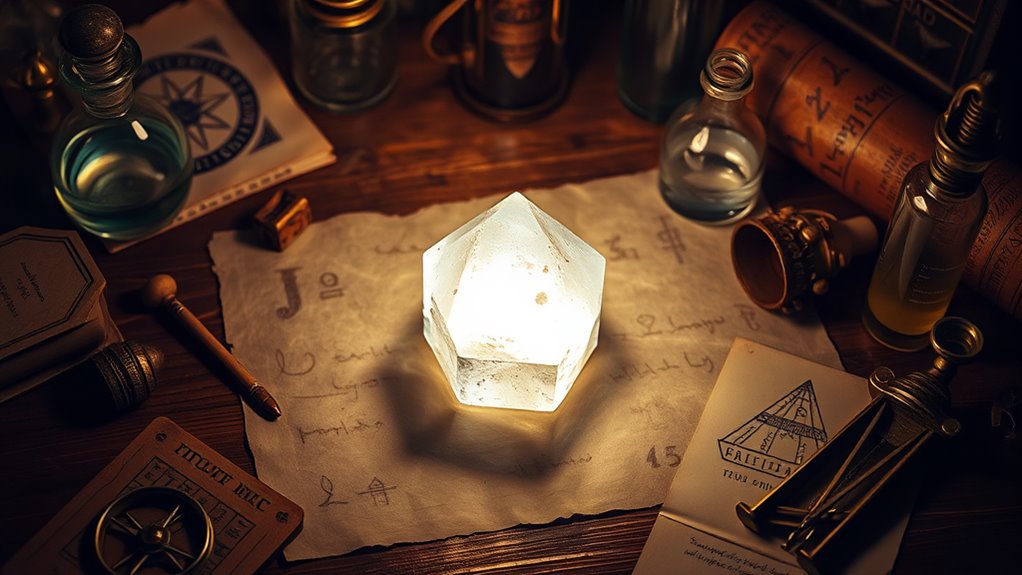
Alchemy symbols serve as a mystical language that encodes deep spiritual truths and transformation processes, centering around the legendary Philosopher’s Stone and extending into a complex system of icons. These symbols blend spiritual, mythological, and scientific ideas, representing concepts like eternity, unity, and spiritual growth. They don’t just depict physical processes but also guide inner transformation. Keep exploring, and you’ll uncover more about how these symbols weave together spiritual and material worlds.
Key Takeaways
- The Philosopher’s Stone symbolizes ultimate spiritual transformation and material alchemy, representing the union of opposites and divine perfection.
- Alchemy symbols encode complex spiritual truths, blending mystical iconography with scientific ideas to guide inner growth.
- Symbols like the Ouroboros and Mercury reflect eternal cycles, adaptability, and the alchemical process of continual renewal.
- Incorporation of planetary and mythic symbols links material elements with spiritual consciousness and cosmic principles.
- These symbols serve as a sacred visual language for exploring both physical transformation and spiritual enlightenment.

Have you ever wondered what those mysterious symbols in alchemy represent? These symbols aren’t just random markings; they’re packed with meaning rooted in medieval symbolism and mystical iconography. During the Middle Ages, alchemists used a complex language of symbols to encode their knowledge, often because their work was considered secret or controversial. These symbols served as a form of mystical iconography, blending spiritual beliefs with early scientific ideas. When you see a symbol like the ouroboros, it’s more than a serpent eating its tail; it’s a powerful representation of eternity and the cyclical nature of transformation. Similarly, the philosopher’s stone isn’t just a myth but a symbol of ultimate transformation—turning base metals into gold and, metaphorically, transforming the soul.
Alchemy symbols encode spiritual truths and mystical ideas, revealing the profound connection between material transformation and inner enlightenment.
In medieval symbolism, many alchemical symbols are designed to evoke spiritual truths, not just material processes. For example, the symbol for mercury, often depicted as a winged staff, reflects qualities like fluidity and adaptability. It’s also linked to the divine, embodying the alchemist’s quest for spiritual enlightenment. The use of mystical iconography in these symbols creates a layered meaning—an alchemist reading the symbols might see a guide for inner transformation as well as a practical recipe for material change. This duality is what makes alchemical symbols so fascinating—they’re partly scientific, partly spiritual. When you study them, you realize they’re designed to be both cryptic and revealing, encouraging the seeker to look beyond surface appearances.
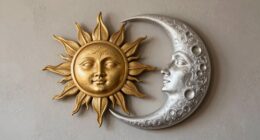
Alchemical symbols also draw heavily from astrological and mythological sources, incorporating planetary symbols and mythic creatures to symbolize various elements or states of consciousness. The sun and moon symbols, for example, stand for gold and silver but also symbolize the union of opposites—masculine and feminine, conscious and unconscious. These symbols are part of a larger system of mystical iconography, where each element carries layers of meaning that go far beyond their physical appearance. By understanding these symbols, you gain insight into a worldview that sees material and spiritual transformation as intertwined processes.
In essence, the symbols of alchemy are a visual language built upon medieval symbolism and mystical iconography. They allow practitioners to encode complex ideas about the nature of reality, spiritual growth, and transformation. When you explore these symbols, you’re delving into a tradition that seeks to unify the material and spiritual worlds through a sacred language. It’s a language that challenges you to look deeper, beyond the surface, into the hidden truths of existence.

PAIION Alchemical Symbols Metal Poster Wall Decoration Metal Signs Home Decor Chart Knowledge Bathroom Decor Retro Plaque Birthday Gift 8×12 Inches
Professional Knowledge and education posters can be gifts for children, biological lovers, adults, or decorated for your home,…
As an affiliate, we earn on qualifying purchases.
As an affiliate, we earn on qualifying purchases.
Frequently Asked Questions
What Are the Origins of Alchemy Symbols?
You might wonder about the origins of alchemy symbols, which trace back to ancient Egypt and Greece. These symbols evolved through the historical evolution of alchemy, blending mystical, philosophical, and practical ideas. They often carry symbolic interpretations, representing elements, processes, or spiritual concepts. Over centuries, alchemists refined and standardized these symbols, creating a visual language that conveys complex ideas about transformation and the quest for the Philosopher’s Stone.
How Do Alchemy Symbols Relate to Modern Science?
Think of alchemy symbols as the blueprint of a secret language, connecting past and present. They relate to modern science through symbolic interpretation, revealing early understandings of elements and chemical processes. Their historical significance lies in laying groundwork for chemistry, transforming mystical ideas into scientific principles. You see, these symbols guide you through a rich history, illustrating how ancient insights evolved into the scientific methods you use today.
Are There Hidden Meanings in Alchemy Symbols?
Yes, there are hidden meanings in alchemy symbols. You’ll find that symbol interpretation reveals mystical symbolism, often representing spiritual transformation rather than just physical substances. These symbols encode complex ideas about inner growth, purity, and enlightenment. By exploring their deeper meanings, you can uncover insights into alchemical philosophy, which uses visual language to convey spiritual truths beyond literal interpretation.
How Were Alchemy Symbols Used in Ancient Texts?
You’ll find that alchemy symbols were used in ancient texts to convey complex ideas through a compact, visual language. Their evolution reflects changing beliefs and scientific understanding, while cultural influences shaped their meanings. Alchemists used symbols to encode processes, materials, and mystical concepts, making texts accessible to those initiated. This symbolic system allowed them to preserve secrets, communicate across languages, and explore spiritual and material transformation simultaneously.
Can Alchemy Symbols Be Useful for Spiritual Practices Today?
Alchemy symbols can be incredibly useful for spiritual practices today. Imagine using symbols like the ouroboros for meditative visualization, helping you reflect on cycles of renewal. Symbolic meditation with these ancient images fosters deeper self-awareness and transformation. Just as an alchemist sought to turn base metals into gold, you can harness these symbols to transform your inner life, making your spiritual journey more focused and meaningful.

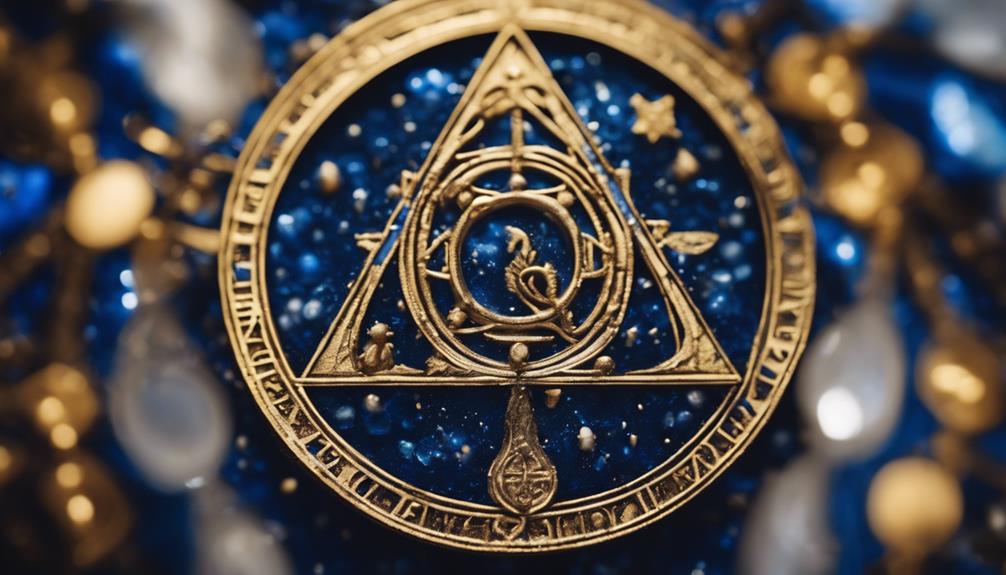
CENWA Hermetic Seal of Light Symbol Jewelry Elixir of Life Symbol Charm Pendant Jewelry Symbol Pendant Necklace (Philosophers Stone)
Material: Made of High quality stainless steel. It is hypo allergenic and will never tarnish, discolor or rust.
As an affiliate, we earn on qualifying purchases.
As an affiliate, we earn on qualifying purchases.
Conclusion
As you explore alchemy symbols like the philosopher’s stone, you realize they’re more than mere mystique—they’re a blueprint for transformation, echoing today’s pursuit of personal evolution. Just like inventors in the Renaissance tinkered with secret symbols, you’re part of a timeless quest for enlightenment. Remember, whether it’s in a lab or a digital app, the symbols remind you that profound change often begins with understanding the hidden language of nature. Keep seeking, and don’t forget to stay curious.
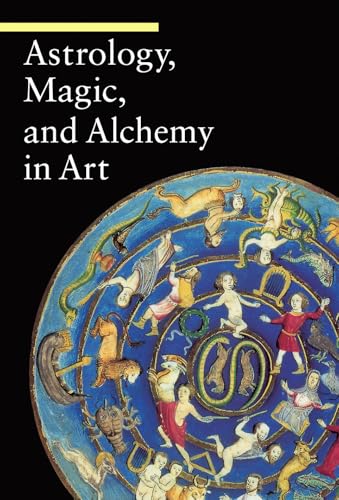
Astrology, Magic, and Alchemy in Art (A Guide to Imagery)
As an affiliate, we earn on qualifying purchases.
As an affiliate, we earn on qualifying purchases.

Baldur Jewelry – Viking Ouroboros Snake Necklace – Brass Snake Pendant – Adjustable Chain – Unisex – 1.25 Inch
HANDMADE: This item is handmade in our own workshop in Europe. We design, produce and sell our work…
As an affiliate, we earn on qualifying purchases.
As an affiliate, we earn on qualifying purchases.