The best science experiment kits for kids balance three things that rarely coexist: safety for the age group, enough supplies to actually finish the experiments, and activities that teach real science rather than one-off party tricks. For most families, the National Geographic Amazing Chemistry Set with 100+ Experiments takes the top spot because it pairs genuinely reactive chemistry with the clearest instruction manual in this lineup. Families with preschoolers should look at the Doctor Jupiter My First Science Kit for Ages 4+, which trades chemical complexity for tactile, mess-tolerant play, while the UNGLINGA 150 Experiments Kit wins on sheer volume if you have multiple kids or a long summer ahead. The main tradeoff in this category is breadth versus depth — big-count kits often include filler activities like mixing food coloring, while smaller sets tend to deliver more memorable, repeatable experiments. Read on for the full breakdown, including which kits are worth the money and which repeat almost experiment-for-experiment.

Prime made for students and young adults
- Fast, free delivery for dorm and study essentials
- Prime Video and Amazon Music included
- Member-only deals
Key Takeaways
- National Geographic kits consistently delivered the best-written instruction manuals with real scientific explanations, which is why four of their sets rank near the top despite mid-range experiment counts.
- UNGLINGA‘s lineup overlaps heavily — the 40+, 50+, 70, and 150-experiment kits share many of the same activities, so buying more than one UNGLINGA box mostly buys you duplicates.
- Kits marked ages 4+ (Doctor Jupiter My First, Melican) rely on baking soda, vinegar, and color mixing rather than true chemistry, which is the right call for preschoolers but will bore kids over 8.
- The National Geographic Science Magic Kit is the only option framed as performance — it suits kids who like showing off results more than kids who want to understand reactions.
- Across all 15 kits, the number on the box was a weak predictor of value: several 100+ kits pad counts with variations of the same activity, while the 45-experiment Stunning Chemistry Set does more with less.
| UNGLINGA 50+ Science Lab Experiments Kit for Kids |  | Best Value | Brand: UNGLINGA | Age Range: 8 years and up | Experiment Count: 50+ | VIEW LATEST PRICE | See Our Full Breakdown |
| National Geographic Earth Science Kit with 100+ Activities for Kids Ages 8+ | 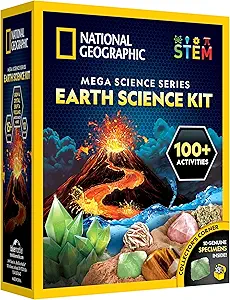 | Best Overall | Brand: Blue Marble | Recommended Age: 8 years and up | Activities: 100+ science experiments and activities | VIEW LATEST PRICE | See Our Full Breakdown |
| Doctor Jupiter My First Science Experiments Kit for Kids, Ages 4+ |  | Best for Beginners (Ages 4+) | Brand: Doctor Jupiter | Number of Experiments: More than 50 | Recommended Age: 4 years and up | VIEW LATEST PRICE | See Our Full Breakdown |
| UNGLINGA 70 Lab Experiments Science Kit for Kids |  | Best Chemistry Variety | Brand: UNGLINGA | Model Number: HZDZKH030 | Number of Experiments: 70 | VIEW LATEST PRICE | See Our Full Breakdown |
| National Geographic Amazing Chemistry Set with 100+ Experiments, Ages 8-12 |  | Best Premium Pick | Brand: Blue Marble | Sub-Brand: National Geographic | Age Range: 8 years and up | VIEW LATEST PRICE | See Our Full Breakdown |
| Doctor Jupiter My First Science Experiments Kit for Kids Ages 4+ |  | Best for Preschool Scientists | Brand: Doctor Jupiter | Recommended Age: 4 years and up | Number of Experiments: 100+ | VIEW LATEST PRICE | See Our Full Breakdown |
| Science Kit for Kids – 80 Science Lab Experiments with Scientist Role Play |  | Best Value Variety Pack | Brand: Kuovei | Number of Experiments: 80 | Recommended Age: 36 months – 12 years | VIEW LATEST PRICE | See Our Full Breakdown |
| National Geographic Mega Science Lab: 75 Experiments for Kids Ages 8–12 |  | Best Multi-Discipline Pick | Brand: Blue Marble (National Geographic) | Age Range: 8 years and up | Number of Experiments: 75 (45 in-kit, 30 household) | VIEW LATEST PRICE | See Our Full Breakdown |
| National Geographic Junior Chemistry Set with 50 Experiments for Kids |  | Best Starter Chemistry Lab | Brand: Blue Marble (National Geographic) | Age Range: 4 years and up | Number of Experiments: 50 | VIEW LATEST PRICE | See Our Full Breakdown |
| National Geographic Stunning Chemistry Set – 45 Experiments for Kids |  | Best True Chemistry Experience | Brand: National Geographic (Blue Marble) | Recommended Age: 8 years and up | Number of Experiments: 45 | VIEW LATEST PRICE | See Our Full Breakdown |
| National Geographic Science Magic Kit for Kids, 100+ Experiments |  | Best for Kids Who Resist Traditional Science | Brand: Blue Marble / National Geographic | Age Range: 8 years and up | Experiments Included: 20 magic experiments plus 85+ booklet experiments | VIEW LATEST PRICE | See Our Full Breakdown |
| Doctor Jupiter Ultimate Science Experiments Kit for Kids Ages 8+ |  | Best Overall | Recommended Age: 8 years and up | Included Experiments: Over 135 | Bonus Experiments: 90+ using household items | VIEW LATEST PRICE | See Our Full Breakdown |
| Melican 60+ Science Experiment Kit for Kids Ages 4-8 |  | Best for Preschool and Early Elementary | Brand: Melican | Model Number: SYTZ2 | Age Range: 4 years and up | VIEW LATEST PRICE | See Our Full Breakdown |
| UNGLINGA 40+ Experiment Science Kit for Kids |  | Best Budget Starter Pick | Brand: UNGLINGA | Age Range: 8 years and up | Number of Experiments: 40+ | VIEW LATEST PRICE | See Our Full Breakdown |
| UNGLINGA 150 Experiments Science Kit for Kids – Chemistry Lab STEM Toys | 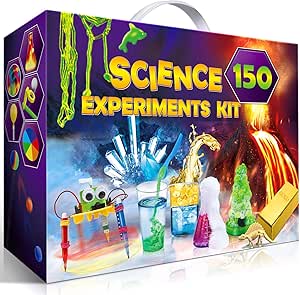 | Best for Sustained Long-Term Use | Brand: UNGLINGA | Age Range: 8 years and up | Number of Experiments: 150 | VIEW LATEST PRICE | See Our Full Breakdown |
| science experiment kits for kid | Brand | Number of Experiments | Model Number | Age Range |
|---|---|---|---|---|
| UNGLINGA 50+ Science Lab Exper | UNGLINGA | — | — | 8 years and up |
| National Geographic Earth Scie | Blue Marble | — | NGMEGAEARTH | — |
| Doctor Jupiter My First Scienc | Doctor Jupiter | More than 50 | — | — |
| UNGLINGA 70 Lab Experiments Sc | UNGLINGA | 70 | HZDZKH030 | — |
| National Geographic Amazing Ch | Blue Marble | — | NGMEGACHEMAR | 8 years and up |
| Doctor Jupiter My First Scienc | Doctor Jupiter | 100+ | DJ Junior Science | — |
| Science Kit for Kids | Kuovei | 80 | — | — |
| National Geographic Mega Scien | Blue Marble (National Geographic) | 75 (45 in-kit, 30 household) | NGMEGASCIKIT | 8 years and up |
| National Geographic Junior Che | Blue Marble (National Geographic) | 50 | NGJRCHEMT | 4 years and up |
| National Geographic Stunning C | National Geographic (Blue Marble) | 45 | NGMEGACHEMX | — |
| National Geographic Science Ma | Blue Marble / National Geographic | — | NGMEGAMAGIC | 8 years and up |
| Doctor Jupiter Ultimate Scienc | — | — | — | — |
| Melican 60+ Science Experiment | Melican | 60+ | SYTZ2 | 4 years and up |
| UNGLINGA 40+ Experiment Scienc | UNGLINGA | 40+ | — | 8 years and up |
| UNGLINGA 150 Experiments Scien | UNGLINGA | 150 | — | 8 years and up |
More Details on Our Top Picks
UNGLINGA 50+ Science Lab Experiments Kit for Kids
This kit earns the value slot because it splits the difference between the Doctor Jupiter starter kit and the bigger UNGLINGA 70-experiment set. You get a genuinely varied mix — earth science, chemistry, and themed projects like volcano eruptions and color-changing flowers — without paying for a massive box of components you may never touch. Compared with the Doctor Jupiter option, the learning guide here goes deeper into the actual science, which matters for kids old enough to ask why the reaction happened rather than just wanting the fizz. The tradeoff is honest: some experiments lean on household items you’ll need to gather yourself, so the “50+” count is partly a pantry-scavenging exercise. For a first serious kit that won’t sting if interest fades after a month, this pick makes the most sense.
Pros:- Broad mix of earth science and chemistry topics
- Learning guide explains the science behind each activity
- Well suited to siblings or classmates sharing one kit
- Lower-commitment entry point for testing a child’s interest
Cons:- Some experiments require additional household items not included
- Component quality is more budget-tier than premium science brands
Best for: Parents of kids aged 8-10 who want maximum experiment variety per dollar without committing to a premium brand
Not ideal for: Households that want everything in the box — several activities require a shopping trip for supplies like vinegar or food coloring
- Brand:UNGLINGA
- Age Range:8 years and up
- Experiment Count:50+
- Educational Focus:STEM, earth science, chemistry
- Included Components:Experiment materials and learning guide
- Manufacturer Part Number:HZDZKH033
Our verdict“A sensible middle-ground kit for families who want variety and real scientific explanation without the premium price of bigger brand-name sets.”
National Geographic Earth Science Kit with 100+ Activities for Kids Ages 8+
Of everything in this roundup, this kit offers the broadest and most polished all-around package. The full-color learning guide and clearly written instructions put it a step above the UNGLINGA kits in presentation, and the mix — crystal growing, volcano building, digging for real geological specimens — covers far more ground than the chemistry-focused National Geographic Amazing Chemistry Set. Kids who like touching, digging, and growing things will stay busy longer here than with any single-topic alternative. One honest caveat: the packaging promises 100+ activities while the core hands-on experiments number closer to 15-plus, with the rest as extended activities and variations. That’s not a dealbreaker, but set expectations accordingly. If you want one kit that anchors months of weekend science, this is where I’d point most families first.
Pros:- Full-color learning guide with genuinely clear scientific explanations
- Unique real-specimen digging activities most chemistry kits lack
- Instructions support independent exploration for older kids
- Strong brand reputation for educational quality
Cons:- Experiment count is ambiguous — title says 100+, description says 15-plus core experiments
- Earth science focus means less chemistry variety than dedicated chemistry kits
Best for: Families wanting a single, well-documented kit that spans geology and earth science for kids aged 8 and up
Not ideal for: Buyers expecting 100 fully-equipped separate experiments — the true hands-on core is smaller than the title implies
- Brand:Blue Marble
- Recommended Age:8 years and up
- Activities:100+ science experiments and activities
- Featured Activities:Crystal growing, volcano experiments, rock collection, STEM projects
- Set Name:Earth Science Kit
- Model Number:NGMEGAEARTH
- UPC:816448027611
Our verdict“The strongest all-around choice for families who want polished documentation and diverse earth science activities in one box.”
Doctor Jupiter My First Science Experiments Kit for Kids, Ages 4+
Every other kit in this lineup starts at age 8; this one opens the door to preschoolers and kindergartners, and that changes how it should be judged. The experiments — oobleck, mini volcanoes, perfume mixing, dinosaur squishies — are deliberately sensory and playful rather than rigorous, and the illustrated step-by-step manual is designed for an adult and child working side by side. Compared with the UNGLINGA 70-experiment set, the science explanations are lighter and the wow-factor simpler, which is exactly the point at this age. The ASTM F963-17 safety certification is a meaningful differentiator when your audience still puts things in their mouth. The main tradeoff: this is not independent play. Expect to be present for most sessions, and expect the mess that comes with a four-year-old and oobleck.
Pros:- Lowest age entry point in the roundup at 4 years and up
- ASTM F963-17 safety certified
- Illustrated instructions built for parent-child collaboration
- 50+ playful, sensory experiments suited to short attention spans
Cons:- Requires hands-on adult assistance for most experiments
- Lighter on real scientific depth than kits for older kids
Best for: Parents of children aged 4-7 who want guided, screen-free STEM play they can do together
Not ideal for: Kids aged 9 and up — the experiments will feel babyish compared with the chemistry depth in the National Geographic sets
- Brand:Doctor Jupiter
- Number of Experiments:More than 50
- Recommended Age:4 years and up
- Safety Standard:ASTM F963-17
- Included:Experiment materials and illustrated instruction manuals
Our verdict“The right first science kit for the pre-K crowd, as long as a parent is willing to be the lab assistant.”
UNGLINGA 70 Lab Experiments Science Kit for Kids
Where the National Geographic Earth Science Kit spreads across geology and earth science, this set goes deep on chemistry and physics-flavored experiments — fruit circuits, balloon rockets, chemical reactions, crystal growing — 70 in total. That focus makes it the better pick for a kid who already showed a specific interest in reactions and cause-and-effect experiments rather than rocks and digging. The illustrated manual with a scientific explanation for every single experiment is the standout feature; many budget kits explain only the highlights. Like the smaller UNGLINGA 50+ kit, some activities need pantry items, and younger children will need supervision — but if your eight-to-twelve-year-old wants a chemistry-first box with staying power, this one justifies its spot over the brand’s own smaller set.
Pros:- 70 experiments — the deepest chemistry variety among comparable single kits
- Every experiment includes an illustrated manual entry with a science explanation
- Safe, child-friendly ingredients throughout
- Blends chemistry with physics projects like circuits and rockets
Cons:- Some experiments require common household items not included
- Adult supervision likely needed for younger children
Best for: Kids aged 8-12 focused on chemistry and reactions who want the most experiments in a single dedicated chemistry box
Not ideal for: Children under 8 working solo — supervision is expected, and some experiments demand items you’ll need to source
- Brand:UNGLINGA
- Model Number:HZDZKH030
- Number of Experiments:70
- Recommended Age:8 years and up
- Educational Objective:STEM / Chemistry
- Safety:Safe and child-friendly ingredients
Our verdict“The strongest choice for chemistry-obsessed kids who want quantity and per-experiment scientific explanation.”
National Geographic Amazing Chemistry Set with 100+ Experiments, Ages 8-12
This is the kit for a kid who wants to feel like a real scientist, and the inclusion of actual lab tools — test tubes, beakers, and pipettes — is what separates it from every UNGLINGA option in this roundup, which rely on pouches and cups. That equipment has genuine outcomes: kids learn to measure, pour, and transfer like they would in a school lab, and the gear survives the kit for reuse. The honest catch mirrors the Earth Science Kit’s counting quirk — only 15 experiments use included materials, with the other 85 pulled from a bonus guide of household-item activities. So you’re paying a premium partly for tools and brand pedigree rather than 100 boxed experiments. Compared with the UNGLINGA 70-experiment set, this one trades raw experiment count for authenticity and build quality, and that’s a trade many serious young scientists will happily make.
Pros:- Includes real scientific tools: test tubes, beakers, and pipettes that outlast the kit itself
- Bonus guide extends play to 100+ experiments using household items
- From a Toy of the Year Award-winning product line
- Bonus experiments add long-term value beyond the 15 core activities
Cons:- Only 15 experiments use included materials; the remaining 85 are DIY household-item activities
- Higher cost per fully-supplied experiment than UNGLINGA alternatives
Best for: Parents who want durable, reusable lab equipment and brand-name quality for a child seriously interested in chemistry
Not ideal for: Budget-focused buyers expecting 100 fully-supplied experiments — 85 of them require sourcing your own household materials
- Brand:Blue Marble
- Sub-Brand:National Geographic
- Age Range:8 years and up
- Educational Objective:STEM
- Experiments Included:100+ (15 in kit plus 85 bonus household-item experiments)
- Included Components:Test tubes, beakers, pipettes, and experiment materials
- Model Number:NGMEGACHEMAR
- Manufacturer:JMW Sales, Inc.
Our verdict“The premium pick for kids who want authentic lab tools and will genuinely reuse them — just know most experiments rely on your own pantry.”
Doctor Jupiter My First Science Experiments Kit for Kids Ages 4+
Most kits in this roundup aim at the 8-and-up crowd, which makes this one stand out for true beginners. The experiments lean on water-based activities and food-safe materials, so a four-year-old can genuinely participate rather than just watch a parent perform chemistry. The kit also bundles real tools — beakers, a conical flask, a funnel, and goggles — plus a bonus experiment booklet, giving it more replay value than the simpler UNGLINGA 40+ kit for toddlers. Compared with the National Geographic Junior Chemistry Set, Doctor Jupiter includes more of its own consumables (food colors, essences, dried leaves), so fewer trips to the pantry. The tradeoff: the science itself is shallow, and nearly every activity needs an adult co-pilot, so it works best as a together activity rather than independent play.
Pros:- 100+ experiments tuned for preschool attention spans
- Food-safe materials and water-based activities suit very young kids
- Real lab tools (beakers, flask, goggles, tray) included
- ASTM F963-17 safety certification
Cons:- Almost every experiment requires adult guidance
- Basic concepts that older siblings will outgrow quickly
Best for: Parents of 4-to-6-year-olds who want a safe, guided introduction to science they can do alongside their child
Not ideal for: Families with kids over 8 — the water-based experiments will feel babyish next to something like the National Geographic Stunning Chemistry Set
- Brand:Doctor Jupiter
- Recommended Age:4 years and up
- Number of Experiments:100+
- Included Components:Beakers, conical flask, spatula, stirring sticks, spray bottles, funnel, goggles, tray, food essences, food colors, instruction manual, bonus booklet
- Model Number:DJ Junior Science
- Safety Standard:ASTM F963-17
Our verdict“This is the pick for households where the scientist is still learning to read — buy it for the kitchen-table bonding, not for deep chemistry.”
Science Kit for Kids – 80 Science Lab Experiments with Scientist Role Play
Kuovei takes a different approach from the National Geographic kits: instead of polished educational branding, it packs 80 experiments’ worth of raw materials — pigments, effervescent tablets, test tubes, droppers, measuring cups — into one box at a budget-friendly price point. The guidance cards escalate from simple to challenging, which is a smarter structure than the flat instruction booklet in the UNGLINGA 50+ kit, and the resealable chemical bottles let kids repeat favorites. The experiments themselves (rainbow fountains, bottle-blown balloons, erupting volcanoes) overlap with what the National Geographic Stunning Chemistry Set offers, but with less editorial polish in the explanations. The real cost is durability: consumables run out, and once the chemical packets are gone, you’re left with hardware and household-item hacks. Compared with the Mega Science Lab, the learning payoff per experiment is thinner, but the sheer variety wins for rainy weekends.
Pros:- 80 experiments spanning easy to challenging
- Guidance cards explain the science behind each activity
- Resealable bottles preserve leftover chemicals for reuse
- Huge hardware haul: test tubes, petri dishes, droppers, measuring cups and spoons
Cons:- Chemical materials deplete with repeated use
- Requires adult supervision for younger children
- Instructions less polished than Blue Marble’s illustrated guides
Best for: Budget-conscious gift-givers who want maximum experiment count and repeatable crowd-pleasers like volcanoes
Not ideal for: Buyers who want deep scientific explanations — the science notes here are thinner than National Geographic’s guides
- Brand:Kuovei
- Number of Experiments:80
- Recommended Age:36 months – 12 years
- Part Number:MYJ886-A
- Key Components:Goggles, 6 chemical materials, petri dishes, test tubes, droppers, measuring cups, pigments, balloons, gloves
- Educational Objective:STEM / Science
Our verdict“The most experiments per dollar in this batch — a great first science kit for casual fun, as long as you don’t expect museum-grade curriculum.”
National Geographic Mega Science Lab: 75 Experiments for Kids Ages 8–12
Most kits here are chemistry-first, but the Mega Science Lab splits its attention across Earth science, chemistry, and science magic — and that variety is its whole argument. Growing crystals and building an erupting volcano sit alongside magic tricks that teach the same principles through performance, which keeps kids who get bored of beakers engaged longer than a single-focus set like the Stunning Chemistry Set. The structure is clever too: 45 experiments use included materials, and the guide adds 30 more with household items, effectively extending the kit after consumables run dry. That said, this breadth comes at the cost of depth — none of the three disciplines gets the coverage of a dedicated kit, and the household-item dependency means the true out-of-box experience is smaller than the 75 number suggests. It’s the jack-of-all-trades choice in a lineup of specialists.
Pros:- Three disciplines (Earth science, chemistry, magic) in one box
- Household-item extension guide stretches the kit beyond its consumables
- Marquee builds like volcano eruption and crystal growing
- Targets critical thinking and observation, not just spectacle
Cons:- Jack-of-all-trades — each subject is shallower than a dedicated kit
- Some of the 75 experiments require common household items
- Ages 8+ only, so younger siblings are sidelined
Best for: Kids aged 8–12 who haven’t settled on a favorite science and parents who want variety across multiple school units
Not ideal for: Households that dislike improvising — nearly half the experiments expect you to supply common pantry items
- Brand:Blue Marble (National Geographic)
- Age Range:8 years and up
- Number of Experiments:75 (45 in-kit, 30 household)
- Included Kits:Earth science kit, chemistry kit, science magic kit
- Educational Objectives:Critical thinking, observation skills, STEM
- Model Number:NGMEGASCIKIT
Our verdict“The right choice when you want one box to cover geology, chemistry, and showmanship — skip it if your kid already knows they want pure chemistry.”
National Geographic Junior Chemistry Set with 50 Experiments for Kids
This set carves out a niche between the preschool-focused Doctor Jupiter kit and the 8+ Stunning Chemistry Set: it’s a genuine chemistry lab sized for ages 4 and up. The 20-plus child-safe tools — test tubes, goggles, flasks — are the real draw, because they outlive the experiments and become a permanent dress-up lab. Unlike Kuovei’s role-play box, the illustrated instructions are designed for kids to follow independently, which is rare at this age range and gives parents a genuine break. The catch is baked into the design: most experiments lean on baking soda, vinegar, and other pantry staples, so the box supplies hardware more than chemistry. And an eight-year-old will find these activities basic compared with the reactions in the Stunning Chemistry Set. Think of it as training wheels for the bigger National Geographic labs rather than a destination.
Pros:- 20+ durable, child-safe lab tools that outlast the experiments
- Fully illustrated instructions support independent play
- 50 experiments require only cheap household supplies
- Backed by an award-winning brand with a U.S. support team
Cons:- Many experiments need additional household supplies not included
- Content skews young — older kids will outgrow it fast
Best for: Parents of 4-to-7-year-olds who want durable, reusable lab tools and instructions kids can follow without constant help
Not ideal for: Kids 8 and older — the household-item experiments will be too simple compared with dedicated 8+ chemistry kits
- Brand:Blue Marble (National Geographic)
- Age Range:4 years and up
- Number of Experiments:50
- Lab Tools Included:20+ (test tubes, goggles, and more)
- Educational Objective:STEM
- Model Number:NGJRCHEMT
- Manufacturer:JMW Sales, Inc.
Our verdict“A smart gateway chemistry set: buy it for the hardware and independence, then graduate to the Stunning Chemistry Set around age 8.”
National Geographic Stunning Chemistry Set – 45 Experiments for Kids
Where the Mega Science Lab spreads thin across three subjects, this set goes deep on one: real chemical reactions kids can see, hear, and occasionally launch across the yard. The marquee activities — volcano, geyser, rocket launch — deliver exactly the payoff that makes kids remember chemistry class fondly, and the guide explains the science behind each reaction rather than just the steps, something the Kuovei kit does far more superficially. It’s the natural upgrade from the Junior Chemistry Set once a child hits eight, since the reactions are dramatic enough to hold an older kid’s attention. The honest tradeoffs: 45 experiments is the smallest count in this batch, some activities still expect household supplies, and anything involving reactions warrants an adult nearby. You’re buying quality of explanation and spectacle over quantity — and for a child serious about science, that trade pays off.
Pros:- Spectacular reactions: volcano, geyser, and rocket launch
- Guide explains the underlying chemistry, not just the steps
- Illustrated instructions pitched correctly at ages 8–12
- Award-winning Blue Marble brand with U.S.-based support
Cons:- Lowest experiment count in this batch (45)
- Some experiments require additional household supplies
- Adult supervision recommended for chemical reactions
Best for: Kids 8–12 who specifically love reactions and eruptions and want to understand why they happen
Not ideal for: Value hunters chasing the biggest experiment count — 45 is the fewest in this lineup, and some activities need pantry supplies
- Brand:National Geographic (Blue Marble)
- Recommended Age:8 years and up
- Number of Experiments:45
- Featured Activities:Volcano eruption, geyser, rocket launch, hands-on chemical reactions
- Educational Objective:STEM / Chemistry
- Model Number:NGMEGACHEMX
- Manufacturer:JMW Sales, Inc.
Our verdict“Fewer experiments, better chemistry — this is the pick for the older kid who wants to learn the science, not just watch the fizz.”
National Geographic Science Magic Kit for Kids, 100+ Experiments
This option stands out for a reason most kits ignore: some kids need to be tricked into science before they love it. By framing chemistry as magic tricks, this kit hooks reluctant learners in a way that straightforward lab kits like the UNGLINGA 150 Experiments Science Kit cannot — that one assumes the child is already curious about chemistry. The tradeoff is real, though. Only 20 magic experiments come with included materials; the other 85+ live in a booklet, many requiring you to gather supplies yourself. Compared with the Doctor Jupiter Ultimate kit, which packages its materials in leak-proof bottles, this set leans more on parent prep after the first weekend. The payoff is a kit that doubles as a performance opportunity — kids can actually show off what they learn.
Pros:- Magic framing genuinely engages kids who avoid typical science activities
- Over 100 total experiments across the kit and booklet
- Strong STEM learning backbone from a trusted education brand
- Kids can perform tricks for family, adding replay value
Cons:- Only 20 experiments include physical materials; the rest are booklet-based
- Requires parental supply-gathering for most activities after the initial experiments run out
Best for: Parents of kids ages 8+ who show little interest in science but love magic tricks and performing
Not ideal for: Families who want every experiment ready to go out of the box, since most of the 100+ activities require sourcing your own materials
- Brand:Blue Marble / National Geographic
- Age Range:8 years and up
- Experiments Included:20 magic experiments plus 85+ booklet experiments
- Set Name:Mega Science Kit
- Model Number:NGMEGAMAGIC
- Learning Focus:Chemistry, magic tricks, STEM
Our verdict“A smart pick for turning a magic-obsessed kid into a science fan, as long as you’re willing to supply materials for most experiments yourself.”
Doctor Jupiter Ultimate Science Experiments Kit for Kids Ages 8+
This pick earns the top spot because it balances volume, organization, and independence better than anything else here. With over 135 experiments and 90+ bonus activities, it rivals the UNGLINGA 150 kit in scope, but where UNGLINGA leans on household items for many projects, Doctor Jupiter’s separately bottled, leak-proof materials mean fewer stalled experiments because something spilled or wasn’t included. The illustrated step-by-step guide is written so kids and parents can work through it together without prior chemistry knowledge — a step up from the National Geographic Magic Kit, which funnels most of its activities into a booklet you supply yourself. The honest tradeoff: some bonus experiments still send you hunting for vinegar or baking soda, and the sheer number of activities means the kit rewards families who will actually pace themselves through it.
Pros:- Over 135 included experiments plus 90+ bonus household-item activities
- Separate leak-proof bottles keep materials organized and prevent messes
- Clear illustrated instructions support independent and parent-child learning
- Encourages shared parent-child experimentation
Cons:- Some bonus experiments require common household items not included
- Large activity count can feel overwhelming without a plan
Best for: Families with kids 8+ who want the most complete, well-organized kit and plan to work through experiments over months
Not ideal for: Households that dislike gathering supplemental items like vinegar or food coloring for bonus experiments
- Recommended Age:8 years and up
- Included Experiments:Over 135
- Bonus Experiments:90+ using household items
- Instructions:Illustrated, step-by-step guide
- Materials Packaging:Separate leak-proof bottles
- Learning Focus:Hands-on science, parent-child STEM learning
Our verdict“The most complete and parent-friendly kit in this lineup — this makes the most sense for families who want depth and organization in one box.”
Melican 60+ Science Experiment Kit for Kids Ages 4-8
Most kits in this roundup start at age 8, which leaves younger siblings watching from the sidelines — this one is built specifically for the 4-to-8 crowd, and that changes everything about its design. Volcanic eruptions, digging for dinosaur eggs, and homemade lava lamps are all spectacle-first experiments that pay off fast, matching short attention spans better than the procedure-heavy projects in the UNGLINGA 40+ kit. It’s also genuinely all-inclusive: materials, tools, an illustrated manual, and safety goggles sized for small kids. Compared with Doctor Jupiter’s age 4+ starter kit, Melican skews slightly older and more chemistry-oriented. The real tradeoff is supervision — chemical reactions at this age mean a parent is essentially a lab partner for most activities, and the experiments themselves are simpler than anything an 8-year-old would find challenging.
Pros:- Age-appropriate experiments designed for 4-8 year olds, not scaled-down versions of older-kid kits
- Truly all-inclusive: materials, tools, manual, and safety goggles in one box
- High-impact visual experiments like volcanoes and lava lamps hold short attention spans
- Builds early logical thinking and STEM curiosity
Cons:- Younger children need constant parental assistance for chemical reactions
- Content is too basic to challenge kids at the upper end of age 8+
Best for: Parents of kids ages 4-8 who want an all-in-one kit with big visual payoffs and included safety gear
Not ideal for: Independent older kids — children 8+ will find the experiments too simple, and parents of younger kids should expect heavy hands-on supervision
- Brand:Melican
- Model Number:SYTZ2
- Age Range:4 years and up
- Number of Experiments:60+
- Included Components:Manual, safety goggles, experimental materials and tools
- Educational Objective:Logical Thinking / STEM
Our verdict“The right first science kit for the under-8 crowd, provided a parent is ready to be the lab assistant.”
UNGLINGA 40+ Experiment Science Kit for Kids
Not every family wants to commit to 150 experiments before knowing whether their kid even likes chemistry — and that’s exactly the gap this kit fills. With 40+ experiments like bouncy balls and lava lamps, it’s a low-risk entry point that costs and demands less than its bigger sibling, the UNGLINGA 150 Experiments kit, while sharing the same clear illustrated manual style. Compared with the National Geographic Magic Kit, it skips the gimmick and delivers straightforward hands-on projects instead. The household-items requirement is the main tradeoff: expect to supplement with baking soda, vinegar, and the like, which is fine if your pantry is stocked but frustrating if it isn’t. This model is better suited to testing the waters than sustaining months of experimentation — families who burn through it quickly will want to graduate to a larger set.
Pros:- Lower-commitment introduction to hands-on science
- Fun, tactile projects like bouncy balls and lava lamps
- Illustrated step-by-step manual kids can follow with modest help
- Compact enough for easy storage and gifting
Cons:- Requires common household items not included in the box
- Smaller experiment count means limited longevity compared to larger kits
Best for: Budget-conscious families or gift-givers who want to test a child’s interest in science before investing in a bigger kit
Not ideal for: Households with unstocked pantries or kids who will plow through 40 experiments in a weekend and want more
- Brand:UNGLINGA
- Age Range:8 years and up
- Number of Experiments:40+
- Included Components:Science experiment materials
- Instructions:Illustrated step-by-step manual
- Educational Objectives:Creative skills, imagination, observation
- Manufacturer Part Number:HZDZKH52
Our verdict“A sensible trial-size science kit — buy it to spark interest, then upgrade to a bigger set if the curiosity sticks.”
UNGLINGA 150 Experiments Science Kit for Kids – Chemistry Lab STEM Toys
Where most kits here specialize — the Melican targets little kids, the National Geographic Magic Kit targets performers — this one goes for breadth across chemistry, physics, earth science, and surface tension. That variety matters for longevity: a kid who tires of color-changing chemistry can pivot to physics projects without a new purchase. The kid-friendly lab tools and goggles let children role-play as real scientists, adding an engagement layer the UNGLINGA 40+ kit doesn’t attempt. Compared with the Doctor Jupiter Ultimate kit, this set edges ahead on experiment count but behind on materials organization — Doctor Jupiter’s leak-proof bottles are tidier, and like the smaller UNGLINGA set, some projects here still need household materials. It’s also strictly an 8+ kit, so there’s no bridging down to younger siblings the way Melican’s kit does.
Pros:- 150 experiments spanning chemistry, physics, earth science, and surface tension
- Kid-safe lab tools and goggles create an authentic scientist role-play experience
- Well-illustrated step-by-step manual supports independent experimentation
- Strong variety prevents the boredom that single-topic kits invite
Cons:- Some experiments require additional household materials not included
- Age 8+ restriction excludes younger siblings from joining in
Best for: Kids 8+ with established science interest who want months of varied experiments across multiple scientific disciplines
Not ideal for: Families with children under 8, and anyone who wants every single material included with zero household supplementation
- Brand:UNGLINGA
- Age Range:8 years and up
- Number of Experiments:150
- Science Topics:Chemistry, physics, earth science, surface tension
- Included Components:Science experiment tools and materials, goggles
- Instructions:Illustrated step-by-step manual
- Educational Objective:Creative skills, STEM learning
Our verdict“The deepest experiment library in this batch — this pick makes the most sense for a committed young scientist who wants variety that lasts.”

How We Picked
I evaluated each kit against four criteria that actually determine whether a science box gets used past week one. Instruction quality came first — a kit with vague, poorly translated, or safety-light instructions fails regardless of how many experiments it claims. Age-appropriate chemistry came second: a kit for a 4-year-old should not require supervised open flames, and a kit for a 10-year-old should go beyond fizzing food coloring. Third, I weighed supply completeness, meaning whether the box includes what the manual demands or quietly assumes you own red cabbage, cornstarch, and a fridge full of household chemist staples. Fourth, I judged replay value — whether experiments can be repeated, extended, or spark follow-up questions.
Ranking then reflected fit within the lineup rather than raw quality alone. Because three brands dominate this list, I differentiated between near-identical siblings (especially the four UNGLINGA boxes and the two Doctor Jupiter kits) and assigned each a distinct role — best overall, best value, best for preschool, best for volume — so no two picks serve the same buyer. Kits that duplicated another pick’s contents without improving on it ranked lower by design.
Factors to Consider When Choosing Science Experiment Kits For Kids
Before picking a kit, it helps to understand how this category is built — because the marketing on the box often obscures what you’re actually buying.Experiment Counts Are Inflated by Design
When a box promises 100 or 150 experiments, read that as a ceiling, not a floor of distinct activities. Manufacturers commonly count each variation as a separate experiment — one volcano recipe becomes five entries by changing the dye color. This isn’t fraud, but it changes how you should comparison shop. A 45-experiment kit with 40 genuinely different activities beats a 150-experiment kit with 30. Look at the table of contents if it’s visible in product images, and count how many activities your kid would actually recognize as different. The other common trick is counting assembly and cleanup as activities. If repeat activities matter less to you than having something new every weekend, big-count kits still make sense — just don’t expect a full school year of curriculum from any single box.
Match the Chemistry to the Age, Not the Marketing
Age labels on science kits are more suggestion than science. The real dividing line is whether the kit uses reactive chemicals (citric acid, baking soda in measured ratios, indicator solutions) or just household mess. Kids under about 6 lack the fine motor control and patience for measured pouring, so kits built on scooping, mixing, and observation — like the Doctor Jupiter and Melican preschool sets — deliver better outcomes even though the ‘science’ is thinner. Kids 8 and up are ready for genuine cause-and-effect chemistry where ratios change results. A common mistake is buying up: parents of a 7-year-old buy a kit labeled 8–12, and the child stalls on multi-step instructions. Buying slightly below a child’s age almost always works better than buying above it.
Budget for the Hidden Grocery Bill
Almost every kit in this category assumes you’ll supply common household materials, and the assumption is usually buried in the manual rather than the box. Before an experiment session, expect to need vinegar, baking soda, dish soap, cooking oil, food coloring, cornstarch, and sometimes fresh produce for indicators like red cabbage. Some kits include these; many include only the specialty chemicals and tools. Check the materials list before gifting — a kit that requires a mid-experiment grocery run kills momentum fast, especially for birthday-morning scenarios. My rule of thumb: the more experiments a kit claims, the more it leans on your pantry. Build a small ‘lab pantry’ of staples when the kit arrives so experiments can happen spontaneously.
Instruction Manuals Vary More Than the Chemicals
The single biggest quality difference between brands isn’t what’s in the box — it’s the booklet. Strong manuals explain why a reaction happens, offer troubleshooting for failed attempts, and include safety callouts at each step rather than in a disclaimer up front. Weak manuals list steps without context, so kids follow directions, see a fizz, and learn nothing. This is the main reason National Geographic kits dominate the upper rankings here despite costing more per experiment. If you’re choosing between two similar kits, look at instruction manual photos in the listing. Illustrations per step, a difficulty rating per experiment, and a ‘what happened’ paragraph are all signs of a manual written by educators rather than translated from a spec sheet.
One Kit Rarely Serves Siblings of Different Ages
Families often buy one kit for two kids three or more years apart, and it usually disappoints one of them. The 8-year-old wants reactive chemistry; the 4-year-old wants to stir colored water and can’t be around citric acid without close supervision. A better approach is two inexpensive, age-targeted kits rather than one expensive split-the-difference set. Alternatively, choose a kit like the UNGLINGA 150-experiment box where activities range widely in difficulty, and assign experiments by age. If you do share one kit, plan for the older child to run ‘demonstrations’ for the younger one — it keeps both engaged and accidentally teaches the older kid more science through explanation.
Know When to Pay More — and When Not To
Premium pricing in this category buys three things: better manuals, real lab tools (glass beakers, graduated cylinders, stands), and higher-grade reagents that produce more dramatic results. If your kid has shown sustained interest in science, those upgrades matter and justify the spend. If you’re testing the waters or buying for a gift, the budget tier is genuinely fine — the core reactions (acid-base fizzing, polymer gels, color indicators) are chemically identical across price points. The mistake to avoid is paying premium prices for big-count budget kits, where the extra money buys quantity rather than quality. And skip ‘refill’ purchases: nearly every kit here can be extended with grocery-store ingredients for a fraction of the cost of a new box.
Frequently Asked Questions
Are these science kits safe for kids to do alone?
It depends entirely on the child’s age and the kit’s chemistry. Preschool-targeted kits like the Doctor Jupiter My First and Melican sets use food-safe materials and are safe for supervised independent play, though expect mess rather than danger. Kits for ages 8+ involving citric acid, indicator solutions, or vigorous reactions should always have an adult nearby for setup and the first run-through of each experiment — after that, most kids can repeat activities solo. Goggles matter more than parents expect: even baking-soda-and-vinegar reactions can splash into eyes. Read the safety page of the manual before the first session, not during it, and store chemicals out of reach between sessions since many kits use packets that small children can reopen.
What’s the difference between the UNGLINGA 50+, 70, and 150 experiment kits?
Less than the numbers suggest. The core UNGLINGA activity library — volcanoes, color-changing cabbage juice, slime-adjacent polymers, invisible ink — repeats across all of their boxes, with larger kits adding variations rather than new experiment types. If you own the 50+ kit, buying the 70 mostly duplicates what you have. The 150-experiment box is the only one that makes sense as a standalone purchase for a family with multiple kids or someone who wants maximum runway, because it consolidates the whole library in one purchase. If you’re choosing a first UNGLINGA kit, buy the largest one you’re willing to store and skip the smaller ones entirely.
Which kit is best for a 4- or 5-year-old?
For preschoolers, the Doctor Jupiter My First Science Kit for Ages 4+ is the strongest choice because its activities are built around pouring, stirring, and observing rather than measuring — skills a 4-year-old actually has. The Melican 60+ kit is a reasonable alternative with a similar household-materials approach and adds a role-play costume element some kids love. Avoid the temptation to buy an ages 8–12 chemistry set ‘to grow into’: the multi-step instructions frustrate young kids, and the more reactive chemicals require supervision that turns the kit into a parent-run demo. At this age, the goal is associating science with fun and curiosity, not teaching actual chemistry.
Do these kits teach real science or are they just toys?
Honestly, most sit somewhere in between, and the instruction manual decides where. The National Geographic kits stand apart here because their booklets explain the chemistry behind each activity, which converts a fizzy volcano into a lesson about acid-base reactions. Budget kits often produce the same visual result but skip the explanation, so kids see the show without the science. You can close this gap yourself by asking ‘what do you think happened?’ after each experiment and looking up the reaction together. Kits with true cause-and-effect variables — where changing a ratio changes the outcome — teach more than single-result demos, and those tend to appear in the chemistry-focused sets rather than the general science or magic-themed boxes.
Can I refill or extend a kit once the experiments run out?
Yes, and this is one of the best value plays in the category. The core consumables in most of these kits — citric acid, baking soda, vinegar, red cabbage indicator — are all grocery-store cheap, so you can repeat favorite experiments indefinitely for a few dollars. The parts worth preserving are the durable tools: test tubes, stands, funnels, and goggles from a good kit outlast the chemicals by years and can host experiments you design yourself. What you can’t easily replace are branded proprietary mixes in a few kits, so check which ingredients are standard before assuming everything is refillable. If your kid burns through a kit quickly, that’s usually a sign to buy a higher-grade chemistry set next rather than another big-count box of the same activities.
Conclusion
The right pick depends on who’s opening the box. For best overall, the National Geographic Amazing Chemistry Set delivers the best combination of real chemistry, instructional depth, and experiment variety for its 8–12 age band. The National Geographic Stunning Chemistry Set is the smarter best value pick — fewer experiments, but nearly all of them land, and it costs meaningfully less per memorable activity. For beginners and preschoolers, the Doctor Jupiter My First Science Kit for Ages 4+ is the clear choice, with the Melican 60+ kit as the alternative if role-play costumes appeal. Families seeking maximum volume on a budget should choose the UNGLINGA 150 Experiments Kit and skip its smaller siblings entirely, while the National Geographic Mega Science Lab suits buyers who want variety across chemistry, earth science, and physics in one box. For specific needs: the Science Magic Kit fits performative kids who love an audience, and the Doctor Jupiter Ultimate kit works for ages 8+ families wanting a Doctor Jupiter option that scales up. Whatever you choose, remember that the manual quality and your involvement matter as much as the box — a mediocre kit with an engaged adult beats a premium kit opened alone.
Fall Picks
fall essentials
As an affiliate, we earn on qualifying purchases.