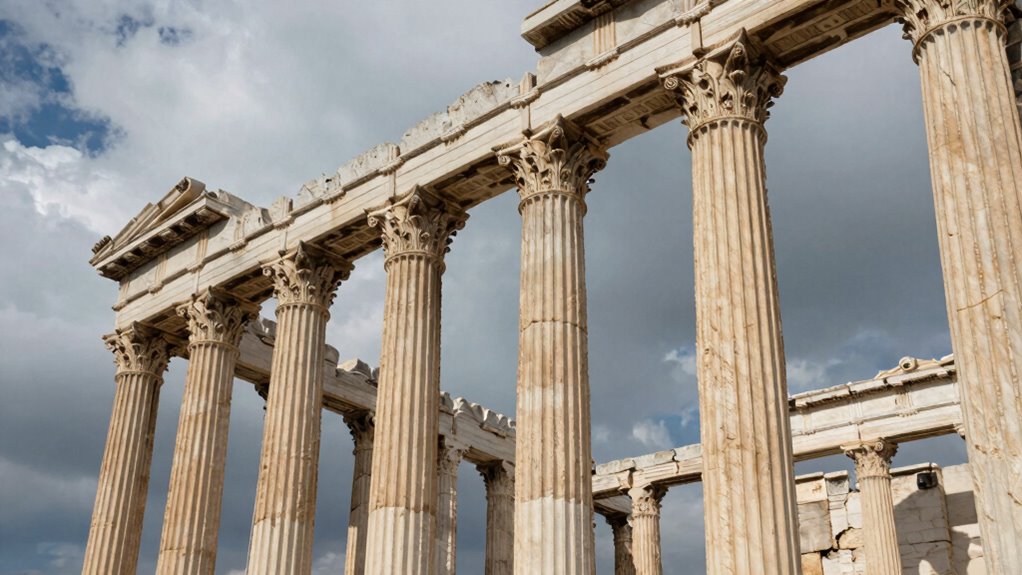

Columns and pillars symbolize strength, stability, and cultural identity in architecture. They support large structures like temples and palaces, reflecting human ingenuity and a desire for harmony. Across civilizations, they also carry deep symbolic meanings—representing power, divine connection, or societal ideals. Their design and placement often convey spiritual messages and cultural values. If you keep exploring, you’ll discover how these timeless elements continue to influence architecture and cultural expression today.
Key Takeaways
- Columns and pillars symbolize strength, stability, and permanence across various cultures and civilizations.
- They serve both structural functions and convey cultural, religious, or societal values through ornamentation.
- Architectural design of columns reflects societal ideals like harmony, order, spiritual connection, and imperial power.
- Their evolution demonstrates a blend of functional innovation and symbolic storytelling over time.
- These structures reinforce cultural identity, societal unity, and spiritual aspirations across different historical contexts.

Have you ever wondered why columns and pillars are so prevalent in architecture across cultures and eras? These structural elements go beyond mere support; they carry deep symbolic meaning rooted in history and tradition. In ancient construction, pillars served as the backbone of impressive temples, palaces, and civic buildings. They allowed architects to create expansive open spaces without sacrificing stability, showcasing human ingenuity. But beyond their functional purpose, columns and pillars became symbols of strength, stability, and permanence. As civilizations flourished, they imbued these structures with cultural significance that extended beyond their physical utility. For example, in ancient Greece, columns weren’t just structural; they represented ideals like harmony and order, reflecting the society’s philosophical values. Similarly, in ancient Egypt, towering pillars adorned with intricate carvings conveyed divine authority and religious devotion. The design and ornamentation of these elements often indicated social hierarchy, spiritual beliefs, and cultural identity. When you observe a Greek Doric column or an Egyptian obelisk, you’re witnessing more than architecture—you’re seeing a visual language that communicates cultural stories and values.
Throughout history, these structures have played a role in shaping cultural identities. In many societies, pillars and columns aren’t just architectural features; they’re symbols of unity and continuity. They often mark sacred spaces or important communal centers, emphasizing their significance in societal rituals and traditions. For instance, the Roman use of columns in temples and forums conveyed power and imperial authority, reinforcing the idea of stability amid political change. In Eastern architecture, such as Chinese temples, pillars support intricate roofs and symbolize connection between the earthly and divine realms. Their placement and design carry spiritual messages, fostering a sense of reverence and cultural cohesion. Over time, the aesthetic and symbolic qualities of columns and pillars have evolved, but their core meanings often remain intact—representing resilience, cultural pride, and spiritual aspirations. For example, many of these structures incorporate symbolic meanings that reflect the beliefs and values of their respective cultures. Recognizing the historical context of these architectural features allows us to better appreciate their enduring influence across civilizations. Additionally, the structural ingenuity behind these elements demonstrates a universal human desire to create enduring symbols that combine form and function. Furthermore, the use of architectural ornamentation enhances their symbolic significance and aesthetic appeal, connecting design with cultural expression. Modern architects often draw inspiration from these ancient elements to create spaces that evoke a sense of tradition and cultural continuity, emphasizing the timeless nature of these symbols. Recognizing the cultural symbolism embedded in these architectural features deepens our understanding of their enduring impact.

Doric Order Column Sculpture – Greek & Roman Pillar Replica 11.8 in – Handmade Hard Plaster Classical Architecture
Authentic Classical Design Faithful reproduction of the Doric order column, the hallmark of ancient Greek and Roman architecture,…
As an affiliate, we earn on qualifying purchases.
As an affiliate, we earn on qualifying purchases.
Frequently Asked Questions
How Do Column Styles Vary Across Different Cultures?
You’ll notice that column styles vary widely across cultures, reflecting unique ancient origins and cultural symbolism. Greek columns emphasize elegance and order with Doric, Ionic, and Corinthian styles, while Egyptian columns often symbolize strength and spirituality. In India, intricately carved columns highlight religious and mythological themes, whereas Chinese columns convey balance and harmony. These differences showcase how each culture’s history and beliefs influence their architectural expression through distinctive column designs.
What Materials Are Commonly Used for Columns and Pillars?
Think of columns like the backbone of a building, made from materials that balance strength and beauty. Common choices include stone, marble, and granite for their durability, standing the test of time. Wood offers warmth and aesthetic appeal, while concrete and steel provide modern strength and flexibility. You choose based on the structure’s purpose, aesthetic goals, and how long you want your pillars to last, ensuring both form and function stand tall.
Are There Specific Religious Symbols Associated With Columns?
Yes, specific religious symbols are associated with columns, especially in sacred architecture. For instance, Corinthian columns often symbolize divine wisdom, while Doric columns can represent strength and humility. In Christian churches, columns might be adorned with carvings of saints or biblical scenes, emphasizing spiritual significance. These symbols serve to connect the structure to religious beliefs, reinforcing the sacred nature of the space and inspiring reverence among worshippers.
How Do Columns Influence Architectural Acoustics?
Columns are like the conductors of an architectural symphony, influencing acoustics by enhancing sound diffusion and providing acoustic amplification. They help direct sound waves, reducing echo and creating a balanced auditory experience. By breaking up sound paths, columns prevent harsh reflections, making speech and music clearer. Their strategic placement in buildings helps craft an environment where acoustics support both clarity and ambiance, enriching your overall sensory experience.
What Are the Structural Advantages of Using Pillars?
Using pillars offers significant structural advantages, as they support large loads and span wide spaces efficiently. You benefit from advanced column engineering techniques that enhance stability and durability. Incorporating decorative column motifs not only adds aesthetic appeal but also distributes weight more evenly. Overall, pillars provide a reliable framework, allowing for open interior spaces without compromising strength, making them essential in various architectural designs.
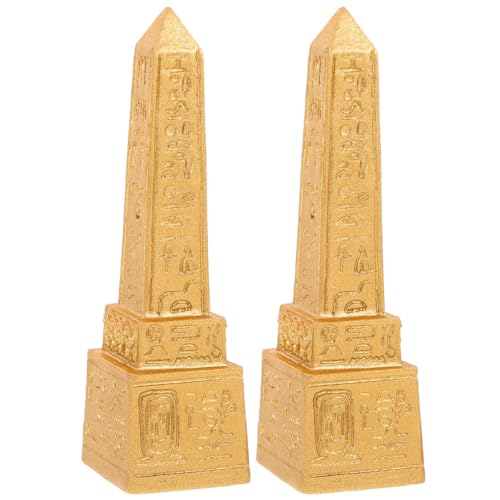
2pcs of Ra Desert Obelisk with Hieroglyphs Statue, Ancient Egypt Statue, Tall Ancient Egypt Landmark, Obelisks Pillar Tower Figurine, Egyptian Model Home Decor
Egyptian tower figurine can be used for home decoration, desktop decoration, sand table decoration. This Egyptian Monument Obelisk…
As an affiliate, we earn on qualifying purchases.
As an affiliate, we earn on qualifying purchases.
Conclusion
Understanding columns and pillars reveals more than structural support—they embody strength, stability, and tradition. Did you know that over 70% of ancient temples still stand today, showcasing their enduring symbolism? As you reflect on these timeless structures, remember they’re not just architectural elements but powerful symbols of cultural identity and resilience. Next time you see a column or pillar, consider the stories and values it represents, standing firm through centuries of history.

7" Polyurethane Whole Column Includes The Base, Capital, and Shaft for a Complete Architectural Accent
Timeless Design: This 7" Whole Column Set features a classic architectural style with a base, capital, and shaft…
As an affiliate, we earn on qualifying purchases.
As an affiliate, we earn on qualifying purchases.

VISIBLE Decorative Roman Column Pedestal, Black Bronze, MGO Cement with Fiber, Classical Garden Pillar, Indoor Outdoor Decor (White, 33.5IN)
CLASSIC DESIGN: Fluted Roman column pedestal with ornate Corinthian capital featuring acanthus leaves and scrolls, perfect for displaying…
As an affiliate, we earn on qualifying purchases.
As an affiliate, we earn on qualifying purchases.