The Pan‑African flag, created in 1920, symbolizes unity, resistance, and cultural pride among people of African descent worldwide. Its bold colors—red, black, and green—each carry deep meaning: bloodshed for liberation, resilience of African communities, and hope rooted in land and natural resources. This flag fuels activism and reinforces a shared identity. To understand how it has inspired movements and continues to energize generations, discover more about its rich history and symbolism.
Key Takeaways
- The Pan-African flag features red, black, and green colors symbolizing bloodshed, African identity, land, and hope.
- Created in 1920 by Marcus Garvey’s Universal Negro Improvement Association to unify people of African descent.
- Red represents sacrifices for liberation; black signifies African heritage; green symbolizes land and natural resources.
- The flag serves as a symbol of resistance, empowerment, and solidarity in African and diaspora activism.
- It continues to inspire pride, unity, and ongoing struggles for justice and independence worldwide.

The Pan-African flag, also known as the Black Liberation flag, plays a powerful role in symbolizing unity and pride among African descendants worldwide. As you explore its significance, you’ll notice that each color carries a deep meaning behind colors, reflecting important aspects of African heritage and struggles. The red stripe represents the bloodshed in the fight for liberation, honoring those who sacrificed everything for freedom. The black stripe symbolizes the people themselves—African descendants worldwide—affirming their identity and resilience. The green stripe signifies the land, fertility, and hope for a future rooted in the continent’s rich natural resources and cultural strength. Together, these colors form a visual statement of solidarity, inspiring pride and a shared sense of purpose among Africans and the African diaspora.
Understanding the meaning behind colors helps you appreciate why this flag became a powerful symbol in activism. The colors aren’t just decorative; they embody the collective history, struggles, and aspirations of people fighting against colonialism, discrimination, and inequality. When you see the flag flying at protests, rallies, or cultural celebrations, it acts as a rallying point—reminding you of the ongoing fight for justice and equality. The colors reinforce a sense of unity, reminding you that despite geographical distances, you are linked by shared heritage and common goals. They serve as a visual language expressing resistance, empowerment, and the desire for self-determination.
The influence on activism is undeniable. The Pan-African flag has been embraced by movements advocating for civil rights, independence, and social justice. Its colors inspire collective action, encouraging people to stand up against oppression and to celebrate African identity. You might notice that during protests or community gatherings, the flag’s vibrant colors energize participants, fostering a sense of belonging and purpose. It’s more than just a symbol; it’s a call to action, reminding you that your voice matters in the ongoing struggle for liberation. The flag’s symbolism continues to motivate generations, fueling activism that seeks to build a future where African descendants are free from systemic barriers. Its colors effectively communicate resilience, hope, and the unbreakable spirit of a continent and its people fighting for dignity and equality.

Pan African UNIA Flag Black Liberation Flag Afro-American T-Shirt Small
Black Liberation Movement design. The Pan-African flag – also known as the UNIA flag, Afro-American flag, Black Liberation…
As an affiliate, we earn on qualifying purchases.
As an affiliate, we earn on qualifying purchases.
Frequently Asked Questions
How Has the Pan-African Flag Influenced Modern African Unity Movements?
The Pan-African flag has considerably influenced modern African unity movements by strengthening Pan-African solidarity and fostering a shared cultural identity. You see its colors symbolize hope, unity, and resilience, inspiring movements across the continent. It encourages people to embrace their heritage and stand together against colonialism and inequality. By serving as a powerful symbol, the flag continues to motivate efforts toward unity, independence, and cultural pride among Africans worldwide.
Are There Variations of the Pan-African Flag Used in Different Regions?
Yes, there are regional variations of the Pan-African flag, reflecting different cultural adaptations. In some regions, you’ll see variations in the shade of red, black, or green to symbolize local history or specific cultural elements. These adaptations help communities express their unique identity while still honoring the broader Pan-African movement. By embracing regional variations, you can see how the flag evolves to connect diverse African cultures under a shared symbol.
Who Were the Key Figures Behind the Flag’s Creation Beyond Marcus Garvey?
You learn that beyond Marcus Garvey, key figures like Haile Selassie and members of the Universal Negro Improvement Association contributed to the pan-African symbolism and the flag’s design evolution. These leaders emphasized unity, pride, and liberation, shaping the flag’s colors and meaning. Their efforts helped solidify the flag as a powerful symbol of pan-African identity, inspiring future generations and regional variations that reflect diverse cultural expressions within the broader movement.
How Has the Flag’s Symbolism Evolved Over Time?
You might be surprised to learn that the flag’s symbolism has evolved through cultural reinterpretations and modern adaptations. Over time, people have emphasized unity, liberation, and pride differently, making the flag a versatile symbol of identity. Today, it can represent not just African heritage but also social movements and global solidarity. This ongoing reinterpretation keeps the flag relevant, inspiring new generations to connect with its core values in fresh, meaningful ways.
What Role Does the Flag Play in Contemporary African Political Protests?
You see the Pan-African flag in contemporary protests as a powerful symbol of cultural identity and national pride. It unites people against injustice and highlights their shared history and aspirations. By waving the flag, you actively show your support for African unity and independence, inspiring others to stand together. The flag’s presence energizes protests, reminding everyone of their collective strength and a common desire for progress and sovereignty.

stidsds 2 Pack Afro American Flag Patch Pan African Flags Embroidered Patches Black Liberation Flags Military Tactical Patch for Clothes Hat Backpacks Pride Decorations
【PACKAGE LIST】Package includes 2 flag patches, size of each patch: 3.2 * 2 inches (8 * 5cm).
As an affiliate, we earn on qualifying purchases.
As an affiliate, we earn on qualifying purchases.
Conclusion
As you reflect on the Pan-African flag, remember it’s more than colors—it’s a rallying cry for unity, strength, and hope. Like the rising sun over a new dawn, it reminds us that together, we can break barriers and rewrite history. The flag’s stripes echo the heartbeat of a continent, calling you to carry its spirit forward. In its threads, find your purpose, and let the symbolism inspire your journey toward a shared future.
Black History American Pride African Heritage T-Shirt
Celebrate Black History and American heritage with a bold message of unity, pride, and cultural roots that honors…
As an affiliate, we earn on qualifying purchases.
As an affiliate, we earn on qualifying purchases.
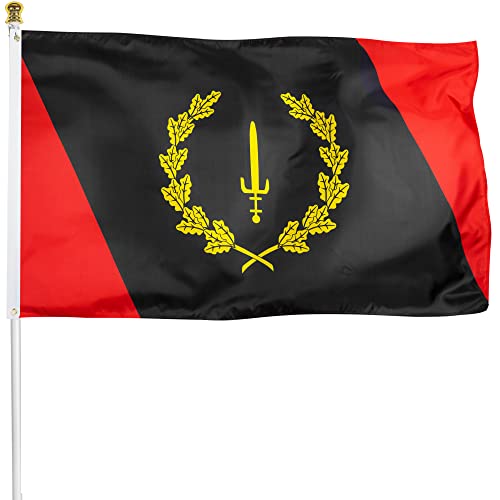
XIFAN Premium Black American Heritage Flag 1967, 3×5 ft Pan African Flag Banner, Afro Soulaan Heritage Design, Black History Month Decoration for Juneteenth, Wall, Classroom, School, Indoor, Outdoor
Durable Material – This heavyweight large Black American Heritage Flag is crafted from 100D durable polyester, with a…
As an affiliate, we earn on qualifying purchases.
As an affiliate, we earn on qualifying purchases.