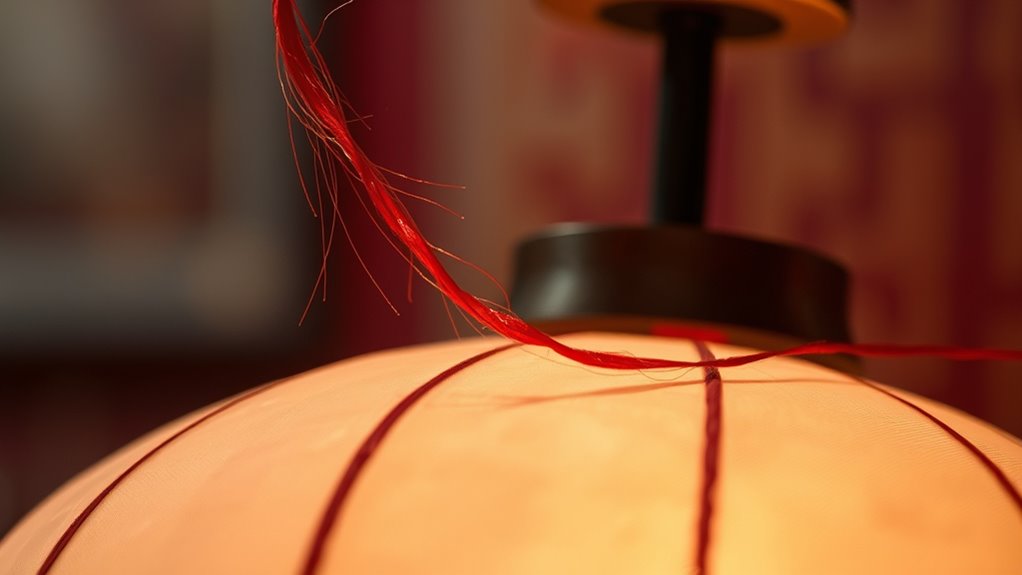

The red thread of fate is a meaningful symbol in East Asian mythology that connects you to your destined relationships, whether romantic, friendship, or family bonds. This ancient belief suggests a divine or cosmic force ties people together, regardless of time or place. It’s often seen as a red string or cord that signifies the universe’s plan for meaningful connections. If you want to explore how this tradition influences culture and beliefs today, continue to discover more.

Prime made for students and young adults
- Fast, free delivery for dorm and study essentials
- Prime Video and Amazon Music included
- Member-only deals
Key Takeaways
- The Red Thread of Fate is a mythological symbol connecting destined individuals across East Asian cultures.
- It originates from Chinese legends involving divine matchmakers and celestial intervention.
- The red string represents preordained relationships beyond time, space, and human control.
- It appears in folklore, art, and modern practices as a talisman for love and connection.
- The symbol emphasizes the cosmic role in shaping meaningful relationships and maintaining hope in destiny.

In East Asian mythology, the red thread of fate is believed to connect those destined to meet, guiding their lives together regardless of time or place. This powerful symbol has deep cultural significance, representing the idea that certain relationships are preordained by fate. The concept resonates across various East Asian cultures, especially in Chinese, Japanese, and Korean traditions, where it underscores the importance of destiny in human connections. As you explore this myth, you’ll find that the red thread encapsulates not just romantic love but also friendships, family bonds, and even spiritual relationships, emphasizing the idea that some connections are beyond human control.
Understanding the historical origins of the red thread of fate helps you appreciate its enduring presence in East Asian societies. Its roots trace back centuries, with early Chinese legends playing a significant role in shaping its meaning. In Chinese mythology, the “red string” or “red cord” is often linked to the idea of a divine matchmaker, who ties the string around the ankles of those destined to meet. This belief was intertwined with broader ideas about fate and divine intervention, highlighting that certain relationships are prearranged by higher powers. Over time, this symbolism spread across East Asia, becoming a common motif in folklore, literature, and art, reinforcing the notion that love and meaningful connections are not just products of chance but part of a larger cosmic plan. Additionally, the cultural significance of the red thread extends beyond myth, influencing customs and beliefs in everyday life. It encourages a sense of trust in destiny and the idea that the universe has a plan for everyone. Many people wear red strings or bracelets as talismans, believing they will help attract or strengthen important relationships. In traditional stories, the red thread also serves as a reminder to cherish those connections, even if circumstances change or obstacles arise. Its presence in modern culture continues to symbolize hope, faith, and the idea that some relationships are simply meant to be, regardless of obstacles or time.
As an affiliate, we earn on qualifying purchases.
Frequently Asked Questions
How Does the Red Thread Symbolize Destiny Across Different East Asian Cultures?
You see, the red thread symbolizes love and destiny across various East Asian cultures through its power to connect soulmates. Cultural variations exist, but the core idea remains: the thread links lovers regardless of distance or circumstances. It’s a love symbolism that emphasizes fate’s role in relationships, reminding you that some bonds are destined and unbreakable, tying hearts together under the unseen forces of tradition and belief.
Are There Modern Interpretations or Representations of the Red Thread in Popular Media?
They say “all the world’s a stage,” and in modern media, the red thread appears often, weaving love stories in movies, TV shows, and manga. You see it symbolize fated connections in pop culture, like in romantic dramas or anime. These modern interpretations keep the myth alive, showing that destiny’s thread still pulls hearts together, even in today’s stories, connecting characters and audiences alike in timeless ways.
What Are the Origins of the Red Thread Myth in East Asian History?
You might wonder about the historical origins of this myth. The red thread likely stems from ancient East Asian beliefs, where it symbolizes destiny and connection. Its cultural significance grew over time, representing the idea that soulmates are linked regardless of distance or circumstances. These stories became embedded in literature and art, emphasizing the importance of fate and the unbreakable bonds that tie people together across generations.
How Does the Red Thread of Fate Compare to Similar Concepts in Other Cultures?
You might think the red thread is unique, but other cultures also explore metaphysical bonds connecting people. For example, in Greek mythology, soul mates share a deep, fated connection, while in Celtic traditions, destiny links individuals through spiritual ties. These concepts highlight the universal desire to understand interpersonal connections beyond the physical, emphasizing that many societies have sought to explain the unseen forces shaping relationships.
Can the Red Thread Be Broken or Severed in East Asian Myths?
You wonder if the Red Thread of Fate can be broken or severed. In East Asian myths, the red thread symbolism often represents an unbreakable bond, but mythic severance is possible through strong forces like betrayal or divine intervention. While the thread is generally seen as eternal, stories sometimes depict it fraying or snapping, symbolizing lost love or fate’s change—though such mythic severance remains rare and significant.
Conclusion
As you explore East Asian mythology, the red thread of fate becomes clear—it’s like an unseen ribbon tying destinies together, no matter the distance. This invisible string reminds you that love and connection are woven into the fabric of life, guiding souls across time and space. Embrace this myth, and you’ll see how fate’s delicate thread can pull hearts closer, turning life’s tangled web into a beautiful tapestry of intertwined stories.
Halloween Picks
halloween
As an affiliate, we earn on qualifying purchases.