
Quotation marks seem simple, but their rules are more complex due to differences in language conventions, punctuation placement, and typographical styles worldwide. You need to decide where to place punctuation, especially with questions and exclamations, which varies between American and British styles. Additionally, choices between double, single, or angled quotes depend on context and language. If you keep exploring, you’ll discover even more about these subtle but important writing details.

Get school and study supplies delivered free — and shop member deals
- Fast, free delivery on millions of items
- Access to Prime Big Deal Days deals on October 6–7
- Prime Video, Amazon Music and more included
Key Takeaways
- Quotation marks vary across languages and regions, affecting their shapes, placement, and usage rules.
- Punctuation placement (inside or outside quotes) differs between American and British styles.
- Placement of question marks and exclamation points depends on whether they modify the quote or the entire sentence.
- Nested quotations require different types of quotation marks, adding complexity.
- Stylistic and typographical conventions influence how quotation marks are used and interpreted.
Have you ever wondered why quotation marks seem simple but actually hide a surprising complexity? It’s because what looks like a straightforward punctuation mark involves a range of punctuation nuances and typographical conventions that can trip up even experienced writers. It’s common for writers to overlook stylistic variations that significantly affect how quotations are formatted across different languages and styles. A deeper understanding of punctuation placement can help writers avoid common errors and improve clarity. At first glance, quotation marks are just the symbols used to indicate speech or cite someone’s words, but their correct usage depends on understanding subtle rules that vary depending on context, style guides, and language conventions.
Quotation marks may seem simple but conceal complex punctuation and style rules that vary across contexts and languages.
In English, the basic idea is simple: use quotation marks to set off direct speech or quotations. But when you dig deeper, you’ll find that the placement of punctuation—whether inside or outside the quotation marks—can change depending on what style you follow. For example, American English generally places commas and periods inside the closing quotation mark, regardless of whether they’re part of the quoted material. The British style, however, often places such punctuation outside unless it’s part of the actual quote. These typographical conventions aren’t just stylistic choices; they reflect different punctuation nuances that can lead to confusion if you’re not careful.
Another layer of complexity involves question marks and exclamation points. Their placement depends on whether they modify the entire sentence or just the quoted part. If you ask, “Did she say ‘hello’?” the question mark applies to the whole sentence, not just the quote. But if the quoted material is a question itself, like “Did she say ‘hello’?” then the question mark belongs inside the quotation marks. These distinctions demand an understanding of punctuation nuances that go beyond simply adding marks around speech.
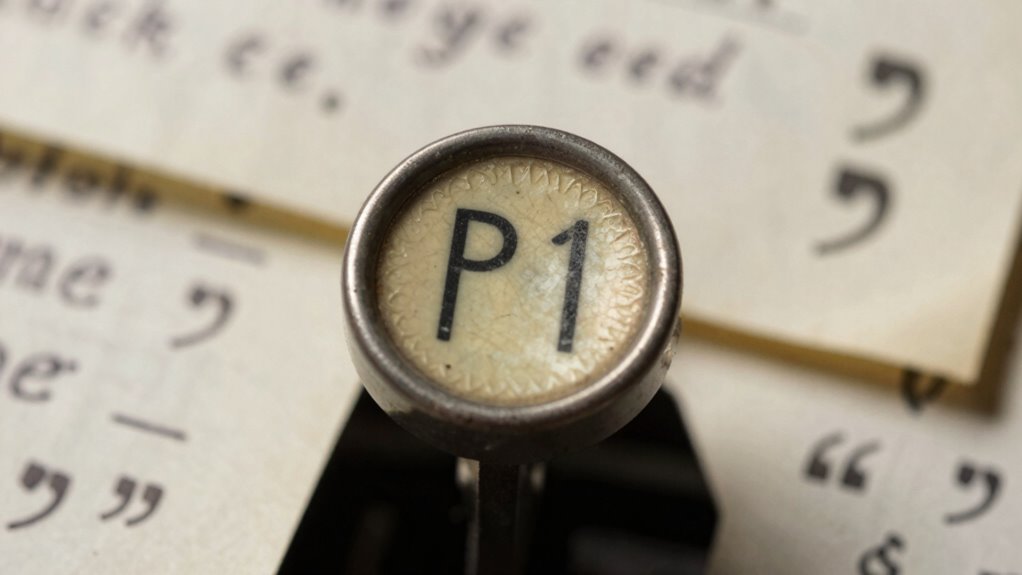
Moreover, the shape of the quotation marks themselves varies across languages and typographical conventions. While the standard in English uses “double” quotation marks, some styles prefer single quotes, especially in nested quotations. Additionally, in some languages, the quotation marks are angled or inverted, following specific typographical conventions. These variations aren’t just aesthetic—they influence how texts are read and understood, especially in multilingual contexts. Understanding typographical conventions is essential for writers aiming for clarity and correctness in their work.
quotation mark typographical style guide
As an affiliate, we earn on qualifying purchases.
As an affiliate, we earn on qualifying purchases.
Frequently Asked Questions
How Did Quotation Marks Originate Historically?
You might be surprised to learn that quotation marks originated from the punctuation evolution in the 16th century, evolving from scribal practices to indicate speech. Early typographical variations included different styles like single and double quotes, and their shapes changed over time depending on printing conventions. These variations helped distinguish spoken words, but their history shows a complex development influenced by language, printing technology, and stylistic choices, making them more intricate than they seem.
Are There Different Types of Quotation Marks Worldwide?
You’ll find that quotation marks dance to different tunes across the globe, reflecting diverse punctuation conventions and typographical variations. In some countries, double chevrons or single quotation marks take center stage, while others stick to the classic “quotes.” These variations are like different dialects of a language, showcasing cultural nuances. So, yes, multiple types of quotation marks exist worldwide, each adding a unique flavor to written communication.
When Should Single Quotes Be Used Instead of Double Quotes?
You should use single quotes instead of double quotes mainly due to punctuation conventions and stylistic variations. Typically, single quotes are used for quotes within quotes, especially in British English, while double quotes are standard for direct speech or citations in American English. Pay attention to the style guide you’re following, as rules can vary. Employing the correct quotation mark style ensures clarity and consistency in your writing.
How Do Quotation Marks Affect Digital Text Formatting?
Quotation marks influence digital text formatting by ensuring punctuation clarity and maintaining markup consistency. You use them to clearly distinguish quoted material, which helps readers understand where someone’s words start and end. Proper placement of quotation marks prevents confusion, especially with nested quotes or when a quote ends with a question mark or period. This consistency in formatting enhances readability and helps preserve the intended tone and meaning of your message.
Do Quotation Marks Have Grammatical Differences Across Languages?
You might think quotation marks are the same everywhere, but they actually vary with language conventions. Punctuation variations exist; for example, some languages use different styles of quotation marks or position punctuation inside or outside them. These grammatical differences reflect cultural writing rules. Being aware of these distinctions helps you communicate clearly and avoid mistakes, especially when translating or writing in multiple languages.
Conclusion
So, next time you see quotation marks, remember there’s more beneath the surface than just simple punctuation. They quietly carry the weight of nuance, tradition, and subtlety, weaving layers of meaning into everyday writing. While they may seem straightforward at first glance, their true complexity lies in the delicate balance of clarity and style they help maintain. Embrace their quiet sophistication, and you’ll appreciate how much depth they add to your words, even when you’re not noticing.
Fall Picks
fall essentials
As an affiliate, we earn on qualifying purchases.