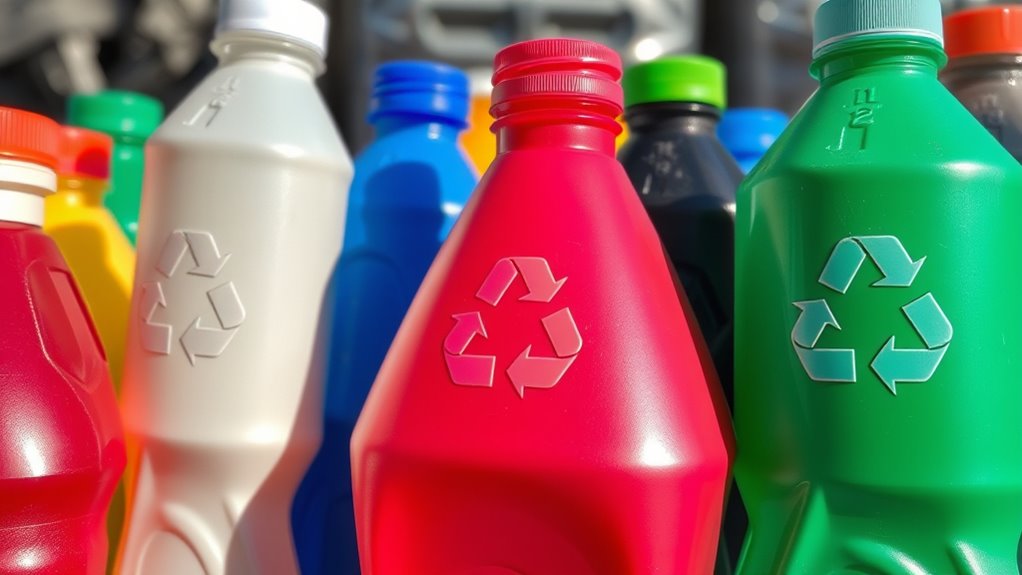

Recycling codes on plastics are numbers inside a triangle that tell you what type of plastic you’re dealing with. For example, code 1 is for PET bottles, a common recyclable plastic, while 3 and 6 are for PVC and polystyrene, which are harder to recycle. Knowing these numbers helps you sort waste properly and supports eco-friendly choices. Keep exploring to discover how these codes can make your recycling efforts more effective.
Key Takeaways
- Recycling codes are numbers inside a triangle indicating plastic types for proper sorting and recycling.
- Code 1 (PET) is common for bottles; codes 3 (PVC) and 6 (polystyrene) are harder to recycle.
- Properly identifying these numbers improves waste management and reduces environmental pollution.
- Consumers can make eco-friendly choices by favoring plastics with higher recyclability codes.
- Knowledge of these codes supports policies and practices promoting sustainable plastic use and recycling.
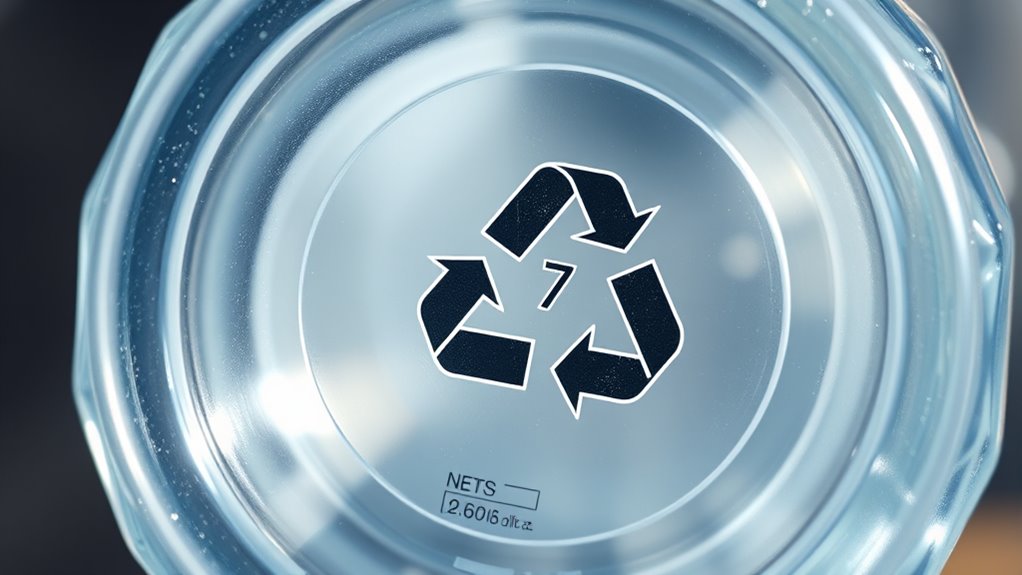
Recycling codes on plastics are essential tools that help you identify which types of plastic can be recycled. These codes, usually a number inside a triangle of arrows, are stamped on the bottom of containers and packaging. Understanding what these numbers mean can make a significant difference in how you handle plastic waste and contribute to better plastic waste management. By recognizing the codes, you can choose more sustainable alternatives, reducing environmental impact and promoting responsible consumption.
Each number corresponds to a specific type of plastic, with different properties and recyclability. For example, code 1, PET or PETE, is commonly used for beverage bottles and is widely recycled. Knowing this, you can be confident that recycling PET bottles helps keep plastics out of landfills and oceans. Conversely, plastics with codes 3 (PVC) and 6 (polystyrene) are more challenging to recycle and often end up as waste. Avoiding or reducing use of these plastics can push industries toward adopting sustainable alternatives, which are designed to be more eco-friendly and easier to recycle.
Effective plastic waste management depends on your ability to sort plastics correctly based on these codes. When you properly separate plastics according to their recycling codes, waste processing facilities can more efficiently recycle or dispose of materials. It also prevents contamination of recyclable streams, which can cause entire batches to be discarded. By paying attention to these codes, you help ensure that plastics are sent to appropriate recycling facilities, reducing the likelihood of plastics ending up in landfills or polluting natural ecosystems.
Moreover, understanding recycling codes empowers you to make informed choices about product purchases. Many companies are shifting toward using plastics with higher recyclability or adopting biodegradable and compostable alternatives. Supporting these products encourages manufacturers to prioritize sustainable alternatives, fostering innovation in the industry. As a result, your everyday decisions can contribute to a more circular economy where plastics are reused and recycled rather than discarded.
In addition, being aware of recycling codes helps you advocate for better waste management practices and policies. You can educate others about the importance of proper plastic sorting and the benefits of choosing products made from sustainable materials. This collective awareness encourages communities and policymakers to improve recycling infrastructure and develop more effective plastic waste management strategies. Ultimately, understanding what the numbers mean on plastic items enables you to participate actively in reducing plastic pollution and supporting a healthier planet.
As an affiliate, we earn on qualifying purchases.
Frequently Asked Questions
Are All Recycling Codes Accepted Everywhere?
Not all recycling codes are accepted everywhere. You should check your local recycling guidelines to see which plastics they accept, as this impacts recycling sustainability efforts. Some codes, like #1 and #2, are widely accepted, helping reduce plastic pollution, but others, like #3 and beyond, might not be accepted in your area. Knowing this helps you make eco-friendly choices and supports effective recycling practices in your community.
Can I Recycle Plastics With Mixed or Unclear Codes?
Think of recycling your plastics as guiding a delicate dance—when the codes are mixed or unclear, it’s like trying to lead with mismatched steps. You can’t confidently include plastics with mixed or unclear codes in the recycling process without risking plastic contamination. These ambiguities can disrupt the recycling flow, making it harder to produce quality recyclables. To keep the dance smooth, stick to plastics with clear, well-defined recycling codes.
Do Recycling Codes Indicate Safety for Food Contact?
Recycling codes don’t guarantee safety for food contact. They mainly identify plastic types for recycling purposes, but chemical leaching can still occur, especially if plastics aren’t designed for food use. You should look for symbols like the fork and glass or specific food-grade labels to guarantee food safety. Always check product labels and avoid using plastics with unclear codes for food to prevent potential chemical leaching.
How Do Recycling Codes Affect the Recyclability of Plastics?
Plastic recycling preferences profoundly impact recycling processes. Recycling codes direct your plastic sorting, boosting recycling efficiency by helping waste facilities quickly identify recyclable plastics. When you follow these codes, you guarantee plastics are properly separated, reducing contamination. This streamlined sorting process makes recycling more effective, encouraging eco-friendly practices. So, by paying attention to recycling codes, you contribute to a cleaner planet and more efficient plastic recycling efforts.
Are There Environmental Impacts of Plastics With Specific Recycling Codes?
You should know that plastics with specific recycling codes can have environmental impacts, like biodegradability concerns and chemical leaching. For example, some codes indicate plastics that break down slowly, adding to landfill waste. Others may leach harmful chemicals into food or water, posing health risks. Being aware of these impacts helps you make better choices, such as avoiding certain plastics or properly recycling to reduce environmental harm.
Conclusion
Understanding plastic recycling codes helps you make eco-friendly choices, but some might think sorting is too complicated. In reality, learning these numbers takes just a moment and can considerably reduce waste. By correctly identifying plastics, you ensure they’re properly recycled, saving resources and protecting the environment. So, even if it seems like a small step, your effort makes a big difference—plus, it’s easier than you might think to do your part for a cleaner planet.