
Birthstones carry rich symbolic meanings rooted in ancient cultures and traditions. They represent qualities like passion, protection, and good luck, often linked to the month you were born. Different cultures see them as carriers of cosmic energy or tools for spiritual balance. Wearing or gifting your birthstone helps connect you to your heritage and personal identity. To discover more about the fascinating history and deeper meanings behind each stone, keep exploring this enthralling subject.
Key Takeaways
- Birthstones have origins in ancient civilizations, symbolizing protection, divine attributes, and cultural stories.
- Each birthstone is associated with specific virtues, qualities, or energies that reflect personal or spiritual significance.
- Cultural influences shape how birthstones are interpreted, valued, and worn across different societies.
- Birthstones serve as symbols of identity, heritage, and personal strength, fostering a deeper emotional connection.
- Their historical and cultural meanings enhance their role beyond aesthetics, embodying spiritual, protective, and cultural narratives.
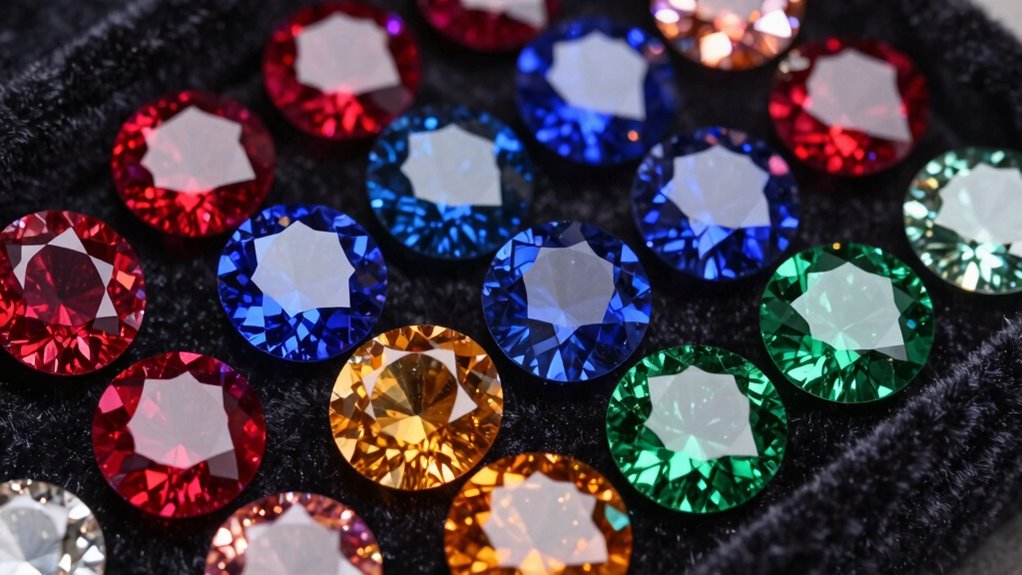
Birthstones have long been cherished for their beauty and believed to carry special importance for those born in each month. The origins of these gemstones trace back thousands of years, rooted in ancient civilizations that assigned symbolic meanings to specific stones. The historical origins of birthstones can be traced to the Breastplate of Aaron, described in the Bible, which was adorned with twelve gemstones representing the twelve tribes of Israel. Over time, different cultures adopted and adapted these symbols, creating a rich tapestry of meanings that still influence how we view birthstones today. For example, the ancient Greeks and Romans associated certain stones with divine attributes, healing powers, or protection against evil. These early beliefs helped cement the idea that gemstones possess unique energies, influencing not only personal identity but also health and fortune.
Cultural variations considerably shape how you might interpret your birthstone’s meaning. In Western traditions, each month’s stone is linked with specific virtues or qualities; for example, July’s ruby symbolizes passion and vitality. Meanwhile, in other cultures, the significance of a birthstone might go beyond individual symbolism, encompassing broader spiritual or societal meanings. In India, for instance, gemstones are often seen as carriers of cosmic energy, and their placement in jewelry isn’t just for adornment but for harnessing spiritual power. Similarly, Chinese culture associates certain stones with elements of feng shui, aiming to balance energies and bring harmony. These cultural differences influence how you might choose, wear, or even interpret your birthstone’s significance in your daily life.
Understanding the symbolic associations of birthstones helps you connect more deeply with your own identity and heritage. Whether you see your birthstone as a source of strength, protection, or good luck, it carries a long history of cultural meaning and belief. The way you perceive your gemstone can be shaped by tradition, personal intuition, or the stories passed down through generations. Recognizing the diverse origins and cultural variations enriches your appreciation, showing that birthstones aren’t just pretty gems but symbols woven into the fabric of human history. As you wear or gift your birthstone, remember it’s more than a beautiful object; it’s a link to ancient beliefs, cultural stories, and personal symbolism that have endured for centuries.

Kendra Scott Elisa Short Pendant Necklace for Women, Dainty Fashion Jewelry, 14K Gold-Plated Brass, Berry Clear Glass
- Delicate and Dainty: If you love to layer…
- Custom Stone: This style is made with…
- Details: This necklace measures 0.63"L x…
As an affiliate, we earn on qualifying purchases.
As an affiliate, we earn on qualifying purchases.
Frequently Asked Questions
How Are Birthstones Chosen for Each Month?
Birthstones are chosen for each month through a mix of historical birthstone traditions and modern birthstone selection processes. Historically, these traditions date back centuries, linking gemstones to specific months based on cultural beliefs. Today, jewelers often follow these customs while also considering gemstone rarity, beauty, and personal significance. This combination guarantees that each birthstone reflects both tradition and individual expression, making it meaningful and unique for the person born in that month.
Do Birthstones Have Cultural or Historical Significance Beyond Symbolism?
You might think birthstones are just pretty symbols, but historical traditions and cultural variations give them deeper significance. Across different societies, these stones have been believed to hold protective powers, bring luck, or connect to spiritual beliefs. In some cultures, they’re seen as sacred talismans, shaping identity and destiny. So, beyond their beauty, birthstones carry a rich tapestry of history and cultural meaning that’s worth exploring.
Can Birthstones Influence a Person’s Personality or Destiny?
Birthstones can influence your personality traits and destiny influence if you believe in their power. Wearing a stone associated with your birth month might boost confidence, positivity, or focus, shaping your behavior over time. While these effects aren’t scientifically proven, many find that connecting with their birthstone provides inspiration and guidance. Ultimately, your mindset and choices play a bigger role, but birthstones can serve as meaningful symbols to support your personal journey.
Are There Alternative or Modern Birthstones for Each Month?
Yes, there are alternative gemstone options and modern birthstone trends for each month. You can choose gemstones that reflect your personal style or hold special meaning, beyond traditional stones. For example, January might feature garnet or rose quartz, while October could include opal or pink tourmaline. These alternatives allow you to personalize your jewelry and stay current with evolving trends, making your birthstone more meaningful and unique.
How Do Birthstone Colors Vary Across Different Cultures?
You might think birthstone colors are the same everywhere, but they vary greatly across cultures. Cultural color symbolism influences how stones are perceived—red might symbolize passion in one region, while in another, it signifies protection. Regional gemstone preferences also shape choices, making a birthstone unique to each place. Embrace these differences, knowing that your birthstone’s color carries deep cultural meaning, connecting you to traditions worldwide.
Conclusion
As you hold your birthstone, imagine its vibrant hues shimmering like a hidden treasure, each color whispering a story of your unique journey. Feel the gentle weight of its symbolism, anchoring your hopes and dreams. Let it be a guiding light, shining softly in your hand, reminding you of the qualities it represents. Embrace this timeless gem as a personal talisman—your connection to history, meaning, and the beautifully complex story of you.