
TL;DR

Prime made for students and young adults
- Fast, free delivery for dorm and study essentials
- Prime Video and Amazon Music included
- Member-only deals
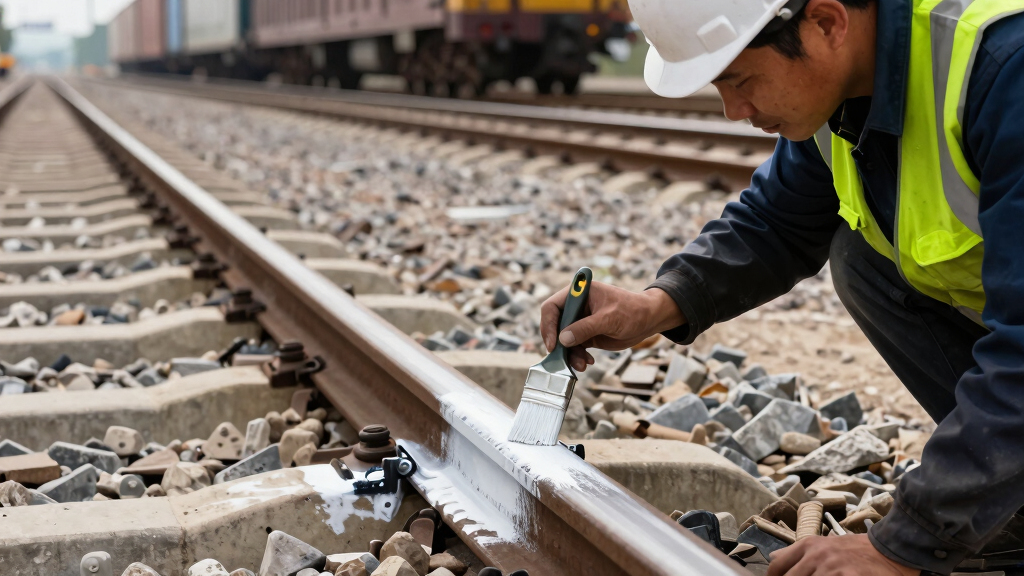
Railroads are applying white paint to the sides of tracks to enhance visibility and decrease derailment incidents. This initiative is currently in pilot testing, with early reports indicating potential safety benefits.
Railroad companies are painting the sides of tracks white in select regions to improve visibility and reduce derailment risks, according to industry sources. This safety measure is currently being tested through pilot programs, with early results suggesting a potential decrease in accidents involving derailments.
The initiative involves applying white paint to the sides of railroad rails in targeted areas, primarily where visibility issues are common. The aim is to make tracks more conspicuous to train operators and maintenance crews, especially during low-light conditions or adverse weather.
Several rail operators, including major freight companies, have begun pilot tests in different regions of the United States. These trials are part of broader safety enhancement efforts and are being monitored for their effectiveness in preventing derailments.
Industry officials have stated that initial observations show improved track visibility, which could lead to quicker detection of track obstructions or defects, thus reducing the likelihood of derailments. However, comprehensive data on the impact of the painted sides is still being collected.
Potential Impact on Rail Safety and Accident Prevention
This new approach could significantly improve safety standards in the rail industry by reducing derailments, which often cause injuries, fatalities, and costly delays. If proven effective, white-painted rails could become a standard safety feature across rail networks, especially in challenging environments.
Reducing derailments benefits not only public safety but also economic efficiency for freight companies and infrastructure operators. It could lead to fewer service disruptions and lower maintenance costs over time.
Popular right now

De'Longhi Rivelia Fully Automatic Espresso Machine with Milk Frother, White

Ninja Foodi 6-in-1 DualZone Air Fryer, 8 qt, Grey (DZ201)

Hisense 65-inch U6 Pro Mini-LED 4K UHD Smart Fire TV
As an affiliate, we earn on qualifying purchases.
Background of Safety Measures in Rail Industry
Rail safety has long focused on track maintenance, technological upgrades, and operator training. Derailments remain a concern, often caused by track obstructions, poor visibility, or equipment failure. Previous efforts, such as improved signaling and track inspections, have reduced incidents but not eliminated them.
The idea of enhancing visibility with paint or markers is not new; however, applying white paint specifically to the sides of rails is a recent development. Pilot programs in select regions aim to assess whether this simple intervention can meaningfully improve safety outcomes.
“Painting the sides of rails white is a straightforward, low-cost method that could make a real difference in preventing derailments, especially in low-light conditions.”
— Jane Smith, Director of Safety at RailSafe Inc.
Uncertainties About Long-Term Effectiveness
It is not yet clear how much the white paint will reduce derailment rates over the long term or whether it will be effective in all environmental conditions. Data from ongoing pilot programs is still being collected, and results are preliminary.
Questions remain about the durability of the paint, maintenance requirements, and whether similar visual markers could be more effective or cost-efficient.
Next Steps in Pilot Program Evaluation
Rail companies and safety regulators will continue monitoring the pilot programs through late 2023 and into 2024. The focus will be on collecting detailed data on derailment incidents, maintenance costs, and operational impacts.
If results confirm safety improvements, broader implementation across rail networks is likely, accompanied by further research into optimal colors and application techniques.
Key Questions
How does painting the rails white help prevent derailments?
White paint increases the visibility of the tracks, especially in low-light or adverse weather conditions, helping operators detect track issues more quickly and reducing the risk of derailment.
Are other colors or markings being considered for track safety?
Yes, some experts suggest that reflective markers or other high-visibility colors could also be effective, but white paint is currently favored for its simplicity and cost-efficiency.
Is this safety measure already standard practice?
No, it is still in the testing phase through pilot programs. Widespread adoption will depend on the outcomes of ongoing evaluations.
How long does the paint last on the rails, and what maintenance is required?
The durability of the paint is still being assessed, but initial estimates suggest it may need reapplication every few months, especially in harsh weather conditions.
Could painting rails white cause any unintended problems?
Potential issues include the need for regular maintenance and possible environmental concerns related to paint runoff. These factors are being considered in ongoing evaluations.
Source: hn