

TL;DR
Tornado warnings and watches are distinct alerts issued by weather authorities. A watch indicates conditions are favorable, while a warning signals an imminent or ongoing tornado. Clarifying these terms helps the public respond appropriately.
Weather authorities have clarified the differences between tornado warnings and tornado watches amid recent severe weather alerts across the United States. This distinction is critical for public safety, as each alert prompts specific actions. The National Weather Service (NWS) emphasizes that a tornado watch indicates favorable conditions, while a warning signals an imminent or ongoing tornado.
According to the National Weather Service, a tornado watch is issued when conditions are conducive to tornado development within a specified area and timeframe. It serves as an alert for residents to stay alert and prepare for potential severe weather. Conversely, a tornado warning is issued when a tornado has been sighted or indicated by radar, requiring immediate action from the public to seek shelter.
Recent weather alerts across multiple states have seen the issuance of both watches and warnings, with authorities urging residents to understand the distinction to respond appropriately. The NWS advises that during a severe thunderstorm watch, individuals should review safety plans and stay tuned to updates. During a warning, immediate sheltering is essential to stay safe.
Why Clear Understanding of Tornado Alerts Matters
Accurate knowledge of the differences between tornado watches and warnings can save lives by guiding appropriate responses. Misinterpreting a watch as an immediate threat could lead to unnecessary panic, while confusing a warning with a watch might delay critical safety actions. Public understanding ensures that residents act swiftly during warnings and remain vigilant during watches, reducing injury and fatalities in severe weather events.
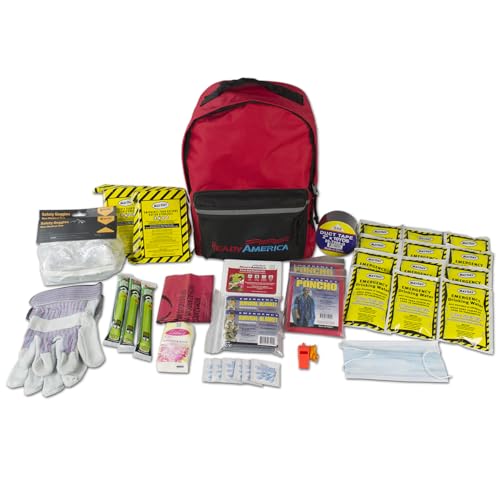
Ready America 70287 Tornado Emergency 2-Person 3-Day Backpack
- Emergency Tornado Kit: Preparedness kit for 2 people with essentials
- 33-Piece First Aid Kit: Includes bandages, wound cleaner, biohazard bag
- Tornado Safe Storage: Suitable for safe room or car
As an affiliate, we earn on qualifying purchases.
As an affiliate, we earn on qualifying purchases.
Historical and Recent Tornado Alert Practices
The distinction between tornado watches and warnings has been part of meteorological communication for decades, aiming to improve public safety during severe weather. Recent outbreaks in the U.S. have seen increased public searches and media coverage clarifying these terms, especially as climate change potentially influences the frequency and intensity of tornadoes. The National Weather Service regularly updates its protocols to improve public comprehension and response.
“Understanding the distinction between a watch and a warning can prevent panic and ensure timely safety measures. People should treat warnings as immediate threats and watches as alerts to stay alert.”
— Meteorologist Jane Smith, Weather Expert
Unconfirmed Aspects of Tornado Alert Communication
It is not yet clear how effectively the public comprehends the differences between watches and warnings nationwide, or how recent efforts by the NWS have impacted response times during recent storms. There is also ongoing debate about whether current alert systems sufficiently differentiate these terms in all regions, especially in areas with limited access to weather updates.Next Steps for Improving Tornado Alert Effectiveness
Meteorological agencies plan to enhance public education campaigns and update alert systems to clarify the differences between tornado watches and warnings further. Future initiatives may include more prominent alerts and public drills to reinforce understanding. Additionally, authorities will monitor response effectiveness during upcoming severe weather seasons to identify areas for improvement.
Key Questions
What should I do if I receive a tornado watch alert?
If you receive a tornado watch, stay alert, review your safety plan, and monitor weather updates closely. Be prepared to take action if a warning is issued.
How is a tornado warning different from a tornado watch?
A tornado warning indicates a tornado has been sighted or detected by radar and requires immediate shelter. A watch means conditions are favorable for tornadoes, but none have been confirmed yet.
Can I ignore a tornado watch?
While a watch does not require immediate action, it is a signal to remain vigilant, review safety plans, and stay tuned to weather updates.
Are the alerts communicated differently in other regions or countries?
Yes, different regions may have varying alert systems and terminology; however, the principle of distinguishing between conditions favorable for tornadoes and immediate threats remains common.
Will the public be better informed about these differences in the future?
Yes, meteorological agencies are actively working on public education initiatives to improve understanding and response to severe weather alerts.
Source: google-trends